
You can buy gemstones safely by checking certification first, never trusting a dealer who rushes you, and testing the stone yourself before any money changes hands. I've been collecting and trading colored stones for over a decade. I still get nervous walking into a new dealer's office. That feeling hasn't gone away. It keeps me sharp.
Let me tell you a story. A few years back I met a guy at a gem show in Tucson. He had a beautiful blue sapphire—2.3 carats, unheated, Sri Lankan origin. The price was 40% below market. I almost bit. Then I asked for the lab report. He had a PDF on his phone. The certificate looked real. But when I checked the report number on the lab's website—nothing. The report was fake. The stone was glass filled with cobalt. I walked away. That's the difference between a safe purchase and a costly mistake.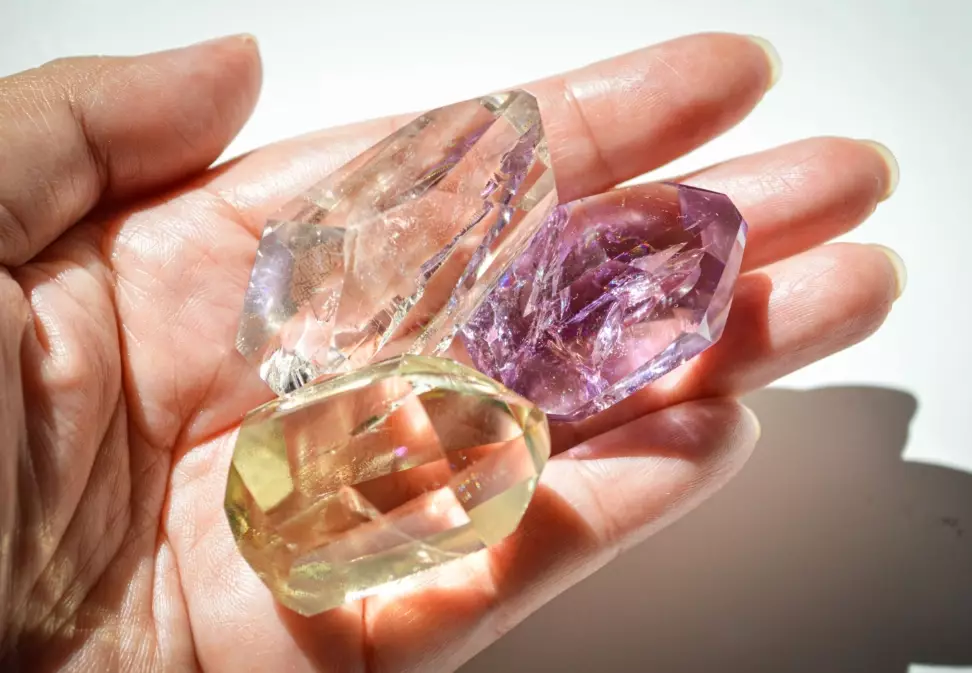
Why Buying Safely Is Harder Than It Looks
Gemstones are one of the few products where a 90% discount can still be a rip-off. A fake ruby cut from glass costs 50 cents. A real one with minor treatment costs $500 per carat. The gap is huge. That's why scammers love this space.
Most people search “how to buy gemstones safely” after they've already been burned or heard a horror story. The truth: even experienced buyers get fooled by new treatments—lead glass filling in rubies, lattice diffusion in sapphires, polymer impregnation in emeralds. You can't rely on a loupe alone anymore. You need a paper trail.
Non-consensus tip: The biggest mistake beginners make? Buying from a jeweler who sells finished jewelry but claims they can't provide the original stone certificate. Real dealers keep stone certs separate from jewelry settings. If they say “the cert got lost,” walk.
The 5-Step Process I Use for Every Purchase
Here's my personal checklist. I follow it for every stone, even a $200 aquamarine.
- Step 1: Ask for the lab report first. Not after you pay. Before you even discuss price. I only trust reports from GIA, Guild, AGL, SSEF, and Gübelin. If the seller sends a blurry photo of a report, ask for the report number and log into the lab's website yourself. I once found a seller using a real report number belonging to a different stone. That's why you verify.
- Step 2: Match the stone to the report. Check carat weight exactly (not rounded), dimensions, and color description. If the report says “light blue” and the stone looks like a deep royal blue under daylight—something's off. I use a digital caliper (cheap, $25 on Amazon) to measure the stone's diameter and depth. Compare to the report. If they don't match to within 0.2mm, ask why.
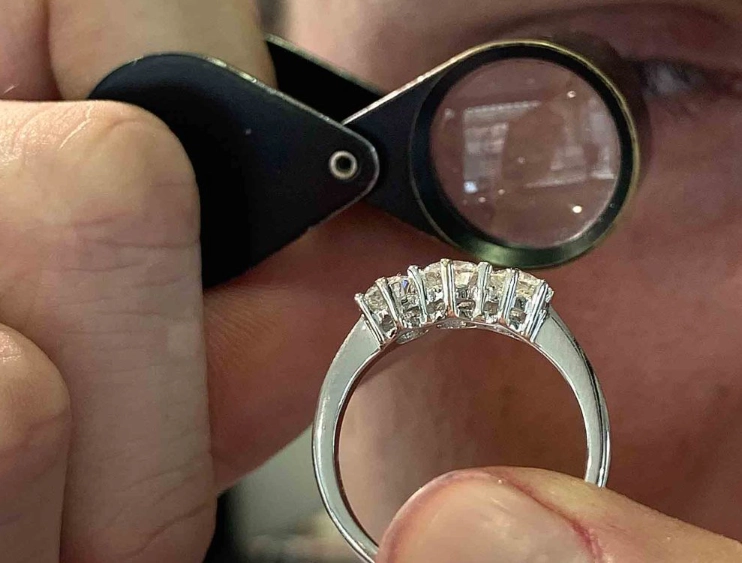
- Step 3: Do an on-the-spot test. Bring a 10x loupe and a cheap polariscope. Look for bubbles (glass), curved striae (synthetic), and sharp inclusions (natural). I also bring a small UV flashlight. Natural ruby fluoresces red; many fakes don't. This isn't foolproof, but it catches low-effort fakes.
- Step 4: Check the seller's return policy in writing. Reputable dealers give 7-10 days for return, no questions asked. Get that in writing—email or text. If they only offer store credit, I pass. Also, pay with a credit card or PayPal Goods & Services. Never wire transfer or cash. You need a paper trail.
- Step 5: Get a second opinion. After you buy, send the stone to a different lab. Yes, it costs $50-100. But if the stone was misrepresented, you have proof. I do this for any stone over $500. For smaller stones, I skip it but only if the first report was from a top lab.
How Do You Spot a Fake Gemstone?
Fakes fall into two camps: synthetic (lab-grown, chemically identical) and simulant (glass, cubic zirconia, spinel). Synthetics are not “fake” in the fraudulent sense if disclosed—but some dealers pass them off as natural. Here's what I check:
| What to Look For | Real Stone Sign | Fake or Treated Sign |
|---|---|---|
| Inclusions under 10x loupe | Natural crystals, needles, or fingerprints (unique patterns) | Perfectly clean (too good) or gas bubbles (glass) |
| Color zoning | Uneven, straight or angular bands (natural growth) | Curved growth lines (synthetic) or perfectly even color (dyed) |
| Surface luster | Sharp, vitreous reflection | Dull or waxy (glass or plastic imitation) |
| Weight vs. size | Feels dense for its size (corundum is heavy) | Feels light (glass or plastic); CZ feels heavy but has no inclusions |
One more trick: I always ask the dealer to show the stone under natural daylight, not just jewelry store lighting. Some stones (especially sapphires) change color dramatically under different light. A stone that looks blue under store LEDs might look grayish-green outside. If the dealer refuses to step outside, that's a red flag.
Red Flags: When to Walk Away
- “The certificate is at the lab, but you can trust me.” No paper, no deal. I don't care if they've been in business for 30 years.
- Pressure to buy now. “Another buyer is coming in an hour.” Real dealers don't rush. If they do, they're hiding something.
- Price too low for the species. A 1-carat natural unheated ruby for $300? That's not a bargain—it's glass filled with lead. I use a simple mental math: current wholesale price per carat for that quality, then subtract 20%. If the offer is below that, walk.
- No physical address or business license. I always Google the seller's name + “complaint” or “scam.” Check the Gemological Institute of America's alumni dealer directory—not a guarantee, but it filters out pure scammers.
- Cash only, no receipt. Even at a flea market, I ask for a handwritten receipt with the stone's description, weight, and price. No receipt = no sale.
Tools That Actually Help You Buy Smart
You don't need a lab. But three tools fit in your pocket and cost less than $60 total:
- 10x loupe ($15-20). Get one with a built-in LED. Look for bubbles, scratches, and sharp facet junctions.
- Polariscope ($20). A small hand-held one tells you if a stone is singly refractive (glass, diamond) or doubly refractive (most colored gems like ruby, sapphire, emerald). Doesn't identify the stone, but rules out glass.
- Digital caliper ($25). Measure the stone's dimensions and compare to the certificate. If the cert says “6.5mm x 6.5mm” and your caliper reads 7.1mm, that's a problem.
I also keep a small notebook. Every purchase gets a page: date, dealer name, stone details, report number, price, and a photo of the stone next to the receipt. That notebook has saved me twice when I later found a stone was treated but not disclosed.
Questions I Get Asked All the Time
I've had stones I bought ten years ago that I still send to a lab for a fresh check when I sell them. That's the habit that keeps you safe. No single test catches everything. But a chain of checks—report, physical inspection, written return policy, second opinion—makes fraud almost impossible. The scammers will move on to easier targets.
Comments
Leave a Comment