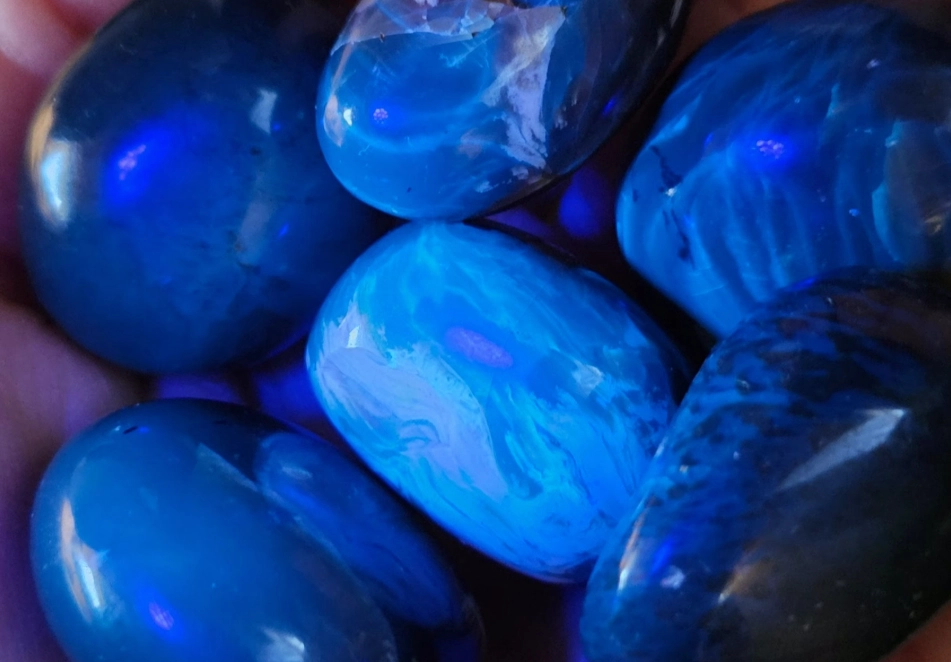
A cabochon is a gemstone shaped into a smooth, rounded dome with a flat or slightly curved bottom. No facets, no sharp corners. If you've ever picked up a polished turquoise or a moonstone with that soft glow, you've handled a cabochon. I've cut and bought these stones for years, and I'll tell you straight: the empty marketing around the term hides a few things buyers get wrong all the time.
Jump to What Matters
The Real Definition (Backed by GIA)
The Gemological Institute of America defines a cabochon as a gemstone cut with a domed top and no flat facets. That sounds simple. But the word comes from the old French caboche, meaning head. Think of the rounded head of a pin, and you're close.
Two details most articles skip. First, not every domed stone is a true cabochon — a stone with a shallow dome and an uneven bottom is often called a "buff-top" and priced differently. Second, the girdle (the widest point where top meets bottom) should be crisp in a quality cab. A soft, rounded girdle catches on prongs and chips. I learned that one after cracking a nice rhodochrosite in a bezel setting.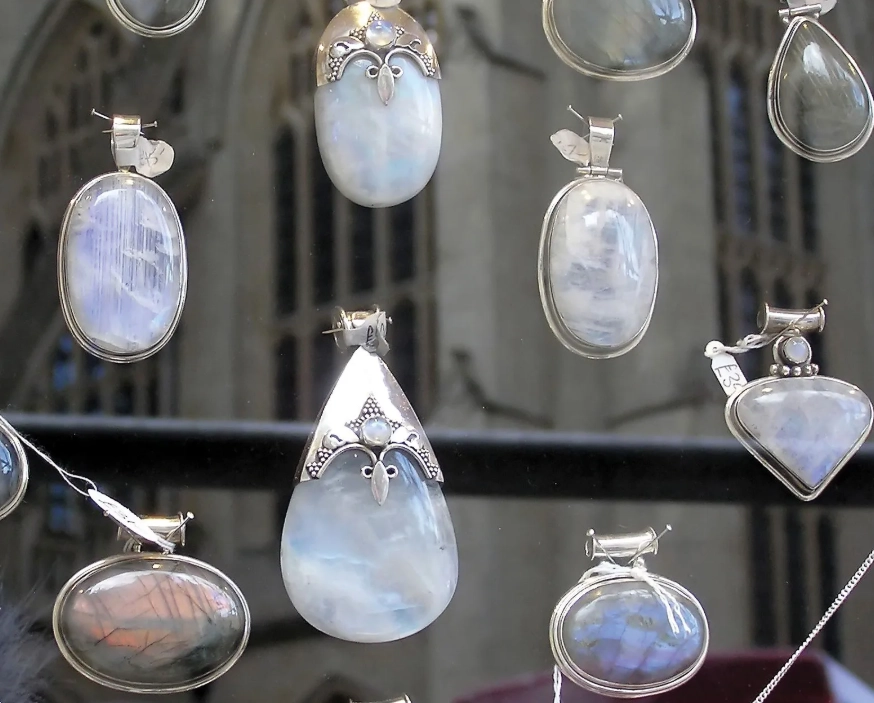
Cabochon vs Faceted: Why the Choice Matters
Faceting relies on light bouncing off flat planes. A cabochon works differently: it shows color, pattern, or optical effects like asterism (the star sapphire effect) and chatoyancy (the cat's-eye band). Cutters choose a dome when the rough has a strong pattern that facets would slice through.
| Feature | Cabochon Cut | Faceted Cut |
|---|---|---|
| Surface | Smooth dome, no facets | Flat geometric planes |
| Best for | Opaque, patterned, or optical-effect stones (turquoise, opal, moonstone) | Transparent stones with good clarity (diamond, sapphire, amethyst) |
| Light behavior | Color and glow, not sparkle | Brilliance and fire |
| Typical price point | Lower labor cost, but rare patterns push high | Higher cutting cost, especially precision work |
| Durability risk | Dome scratches; soft stones need care | Facet junctions chip more easily |
Here's my non-consensus take: many beginners buy faceted stones because "more sparkle equals better." Wrong for opaque material. A faceted opaque gem looks dead. A well-cut cabochon shows color density that facets can't. I once saw a faceted turquoise at a Tucson show. It was a waste of good rough — the facets flattened the matrix pattern that made the stone interesting.
How a Cabochon Is Actually Cut
Lapidaries work from a slab. Steps, in the order I do them:
- Trim the slab around the best pattern or color. This is the decision that makes or breaks the stone.
- Mark the outline with a template or freehand, often on a dop (a stick holding the stone).
- Grind the shape on a 100–220 grit diamond wheel.
- Dome the top on finer wheels, checking the dome height by eye under a bright lamp.
- Smooth and polish through 400, 600, and often 50,000 grit on a leather or felt pad — stone-specific; opal hates heat, jade likes a slow, cool polish.
From the bench: I once cut a Peruvian opal cab with a perfect dome and a hidden fracture under the girdle. It survived the polish, then popped in the setting. The lesson? Inspect rough under strong light from at least two angles before doming. Cutters who skip this step lose good material.
What Determines Value in a Cabochon?
Value doesn't come from the cut alone — it comes from what the cut reveals. Four factors carry most of the weight:
- Color saturation and evenness. A saturated, even patch of color beats a larger washed-out stone every time.
- Pattern quality. Strong chatoyancy or clear asterism can multiply price. A star that's off-center or broken drops value fast.
- Dome height. A high, even dome with no flat spots signals careful work. A low dome on a material that should glow reads cheap.
- Surface condition. Scratches, pits, or a dull polish kill a cab's appeal. Under a loupe, a good polish looks glassy, not waxy.
Rough origin matters less than people think for most cabochon material. A clean, well-cut cab from an ordinary source outsells a poorly cut stone from a famous mine.
My Buying Checklist: What to Inspect in Person
Photos hide plenty. At a show or shop, do this:
- Turn the stone under a penlight. Watch for flat spots on the dome — they show as dull patches.
- Check the girdle between gloved fingers. It should be smooth, not sharp enough to catch a prong.
- Look at the back. A flat base with a slight concave cutout is normal; a rough, unfinished back signals a rushed job.
- For optical-effect stones, move the stone, not your head. The star or eye should track smoothly across the dome.
Watch this: A deep dome on a soft stone like opal makes a beautiful pendant but a fragile one. If you plan daily wear, ask for a bezel setting with a protective rim. That's a detail most online listings don't mention.
Fast facts: Cabochons appear in rings, pendants, and earrings. Common materials: turquoise, opal, moonstone, jade, agate, and star sapphire. Standard sizes run from about 6×4 mm up to 40×30 mm for statement pieces. Prices for a finished, commercial-grade turquoise cab can sit in the low tens of dollars; fine star sapphires reach four figures. Source: GIA's gem encyclopedia and the American Gem Trade Association's buying guides.
Questions I Hear at Shows
Should I buy a cabochon for an engagement ring, or stick with faceted?
Depends on the stone, not the trend. A hard, tough cab like sapphire or jade holds up fine in a bezel. Soft cabs (opal, turquoise) in a ring worn daily will dull within months. If the ring gets heavy wear, choose a faceted stone or plan on a protective setting and yearly polishing.
What is a cabochon's biggest red flag on a listing photo?
Glare. Listings often shoot at an angle that hides a flat spot or a dull zone on the dome. Ask for a straight-on shot under diffuse light plus a side profile. If the seller won't send one, walk away.
How do I check if a cabochon is dyed?
Look at the color in cracks and around the girdle. Dye concentrates there. For turquoise, a cotton swab with acetone on an inconspicuous spot can reveal dye — but test only after asking the seller. On a polished cab, dye often looks too uniform for natural stone.
Does a higher dome always mean a better cabochon?
No. Dome height should suit the material and the setting. A tall dome on a thin slab can crack, and it may not fit standard bezels. For moonstone and opal, a moderate dome often shows the optical effect better than a steep one.
This guide was fact-checked against the GIA gem encyclopedia and AGTA buying resources before publication.
Comments
Leave a Comment