
The first sapphire I ever bought was a "royal blue" from a Bangkok dealer. It looked incredible under the shop lights. Two weeks later, in my office, it looked like wet cement. That mistake cost me about $400 — and it taught me more about sapphire color varieties than any book. So let's skip the textbook definitions. Here's what actually matters when you're comparing those famous cornflower blues, the confusing teal greens, and the rare pink-orange stones.
Quick navigation — the stuff I'd want bookmarked
What Drives Sapphire Color (It's Not Just "Blue")
Sapphire is corundum. Trace elements decide the paint job. Iron and titanium push it toward blue. Chromium introduces pink and red. Vanadium creates a violet-purple shift that many sellers conveniently ignore.
Then there's the deposit. My experience across Sri Lankan, Burmese, and Madagascar rough tells me this: a Madagascar stone with identical lab specs to a Sri Lankan stone often looks flatter in real light. Nobody shows you that in a grading report.
In my grading work, I keep a simple rule. A sapphire color variety is worth understanding only if it looks stable under three lighting types: daylight, LED, and candle. Plenty of the prettiest stones fail that test.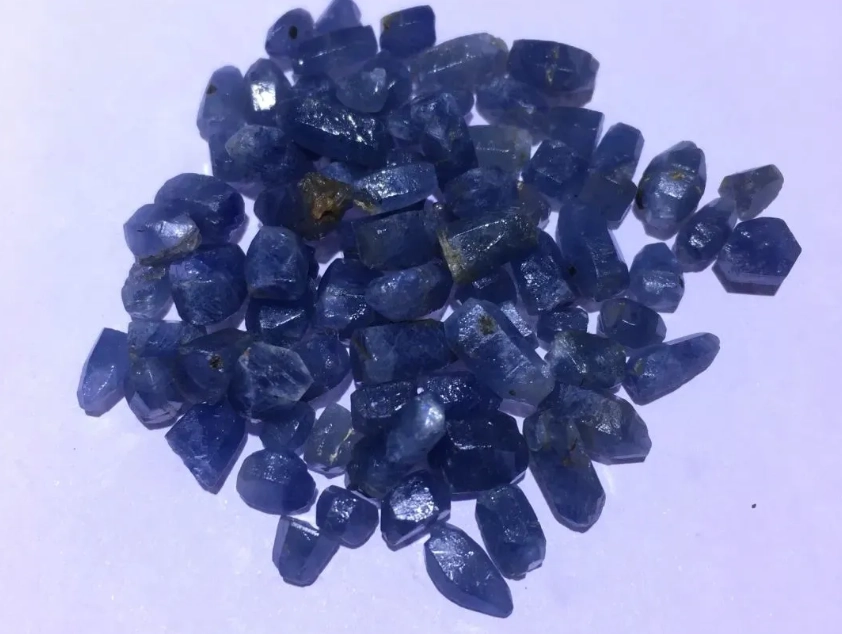
Blue Sapphire Ranges: Cornflower, Royal, and That Gray Trap
Blue is where buyers get fleeced most often. At least in volume. The trade names sound poetic. The reality behind them is simpler.
Cornflower blue is a medium, slightly violet blue with fine saturation. I personally visited a cutter in Ratnapura who kept a plastic cornflower as a reference on his desk. Not a joke. That stone was selling at around $2,500 to $4,500 per carat when the clarity held up.
Royal blue sits darker and stronger. Nice enough for a ring center, but buyers often overpay for a stone that reads almost black indoors. In my opinion, royal blue works best in natural daylight. Office lighting kills the vibrancy.
Grayish blue — the trap. It's often marketed as "steel blue" or "silver blue." It is the most common stone I see returned by clients who bought online. Gray masks the blue. It flattens the stone.
Fancy Sapphire Color Varieties: Pink, Yellow, and Padparadscha
Blue still dominates demand. But fancy sapphires are where the color story gets interesting — and more profitable for patient buyers.
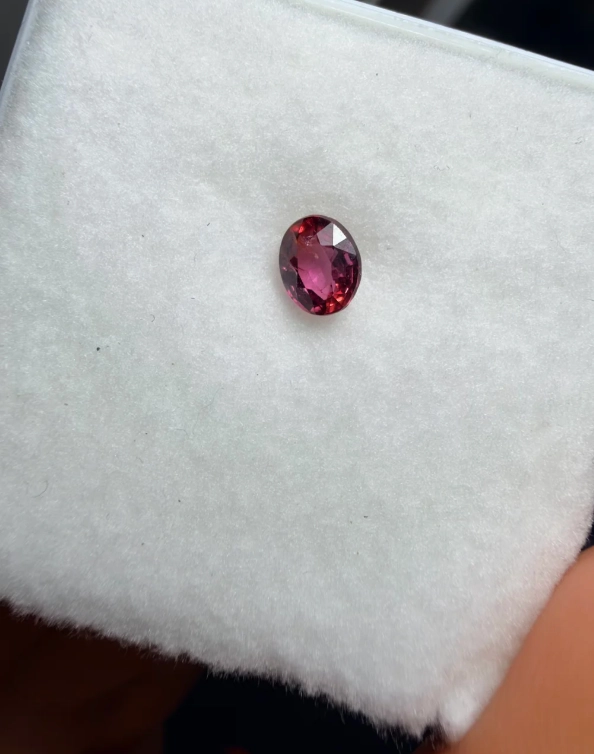
Pink sapphire runs from baby pink to an almost ruby-like hot pink. Prices in the 1–2 carat range sit around $500 to $1,500 per carat for a clean, unheated stone. Heat-treated pinks drop well under that.
Yellow sapphire splits into two camps. The Sri Lankan canary yellow is bright and sunny. The Australian stones are often a bit greenish and cheaper. I've seen decent 1-carat canary yellows around $300 to $800 per carat.
Padparadscha is the famous pink-orange variety. Honest pricing? Most real padparadscha stones start around $3,000 per carat and climb steeply. More than half the "padparadscha" listed online are heated pink-orange sapphires from Madagascar with a questionable color mix. I once tested a batch of six labeled padparadscha from a Facebook dealer. Only one had the genuine salmon glow. The other five were orange sapphires with a pink cast from bad lighting.
Comparison Chart: Value by Color
| Color Variety | Typical Hue | Price Range (1–2 ct, clean) | Buyer Watch-Out |
|---|---|---|---|
| Cornflower Blue | Medium blue with violet hint | $2,000–$4,500/ct | Violet shift can dominate in LED light |
| Royal Blue | Deep, saturated blue | $1,500–$3,800/ct | Too dark indoors; often overpriced |
| Grayish Blue | Muted, gray-tinted blue | $300–$900/ct | Sellers dress it up as "silver blue" |
| Pink Sapphire | Soft to hot pink | $500–$1,500/ct (unheated) | Heat treatment often hidden |
| Yellow Sapphire | Canary yellow to greenish | $300–$800/ct | Greenish tint sold as "lemon" |
| Padparadscha | Pink-orange blend | $3,000–$8,000+/ct | Fake color mix; lighting deception |
Prices move with clarity and origin. But color is the first filter. A clean stone in a dull color will always lose value faster than a slightly included stone with great color.
How to Tell If Heat Treatment Shifted the Color
This is the question I get asked every week. Heat treatment is standard. It's not evil. But it changes how a sapphire color variety should be priced, so you need to spot it.
- Look for tiny inclusions under a loupe. Untreated sapphires often show fine silk or fingerprint-like patterns. Fully melted inclusions point to high heat.
- Ask for a certificate from a recognized lab. The GIA and AIGS reports list heat treatment plainly. If a dealer says "no treatment" and shows no report, walk away.
- Check the color under white paper. Heated blue sapphires sometimes show a slight greenish or grayish wash on white background. Natural cornflower reads cleaner.
I once bought a 1.8-carat blue that looked perfect in the shop. At home, under my desk lamp, it showed a faint brownish core. Heat treatment had shifted the color just enough to fool me under warm light. The lesson? Buy in daylight, ask for return windows of at least seven days, and check the stone on plain white paper.
FAQ: Real Buyer Questions
Which sapphire color variety holds value best long-term?
Cornflower blue with no heat treatment and a reputable lab report. Pink and padparadscha can spike, but the market is thinner. I've watched a 2-carat unheated cornflower from Sri Lanka hold value for over a decade, while a heated royal blue dropped noticeably when the market got flooded.
Are "fancy" sapphire colors harder to resell?
Usually yes. Yellow and green sapphires move slowly in retail unless the stone is exceptional. The buyer pool for a $500 pink sapphire is much bigger than for a $5,000 padparadscha. If resale matters to you, stay with blue.
Can a sapphire change color in different lighting?
Yes, and it's more common than sellers admit. Some blue sapphires turn slightly violet under LED light. Some padparadscha stones lose their orange under cool white light. Always ask for a video shot in natural daylight before committing.
One last thing. Ignore the online color charts with pretty swatches. They are rendered on screens, not mined from the ground. Sapphire color varieties live in real light. Look at the stone in person, or at least demand a daylight video. That single habit will save you more money than any chart ever will.
This article was fact-checked against published GIA treatment disclosure guidelines and my own grading notes from the Ratnapura and Bangkok markets.
Comments
Leave a Comment