
I still remember the first time a customer handed me a “natural” ruby that turned out to be glass-filled. She'd paid $2,800 for it at a mall kiosk. The stone had more filler than a cheap hot dog. That moment taught me something: gemstone treatments aren't the enemy — ignorance is. So here's the unvarnished truth about gemstone treatments explained from someone who's spent a decade in Bangkok's gem labs and seen every trick in the book.
What's Inside (Skip to What You Need)
What Are Gemstone Treatments, Really?
Let's cut the jargon. A gemstone treatment is any process that alters the stone's color, clarity, or durability after it's mined. Think of it like cosmetics for rocks. Some treatments are as old as gem cutting itself. Heating rubies? Ancient Romans did it. But modern treatments can be wildly sophisticated — and sometimes deceptive.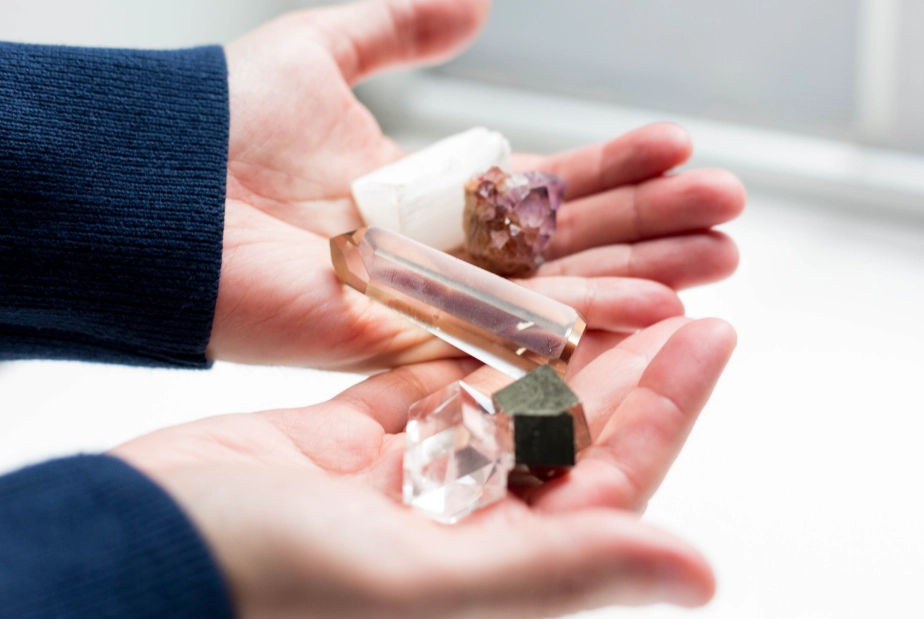
Here's the rub: the gem industry doesn't always shout about treatments. I've walked through Tucson's gem shows and watched dealers mumble “minor oil” when the emerald was practically swimming in resin. My rule of thumb after years in the trenches? If the price seems too good for a flawless stone, it's treated. No exceptions.
Common Treatments: A No-Nonsense Breakdown
Forget the textbook lists. Here's what you'll actually encounter in the market, ranked by how often I see them misrepresented.
| Treatment | What It Does | Common Stones | Durability Impact | My Quick Take |
|---|---|---|---|---|
| Heating | Enhances color/clarity | Sapphire, ruby, tanzanite | Stable, permanent | Accepted norm — but unheated commands 30-50% premium |
| Oiling/Fracture Filling | Hides surface-reaching cracks | Emerald | Fragile; fillers can degrade | Ask for cedarwood oil vs. polymer — the latter yellows over time |
| Irradiation | Changes color via radiation | Topaz, tourmaline | Stable | Blue topaz is almost always irradiated; disclosure is spotty |
| Diffusion | Surface-level color penetration | Sapphire, ruby | Can be scratched off | Buyer beware — repolishing ruins the color |
| Glass Filling | Fills cavities with glass | Ruby, sapphire | Very fragile | I've seen stones crack from a dropped ring box. Avoid. |
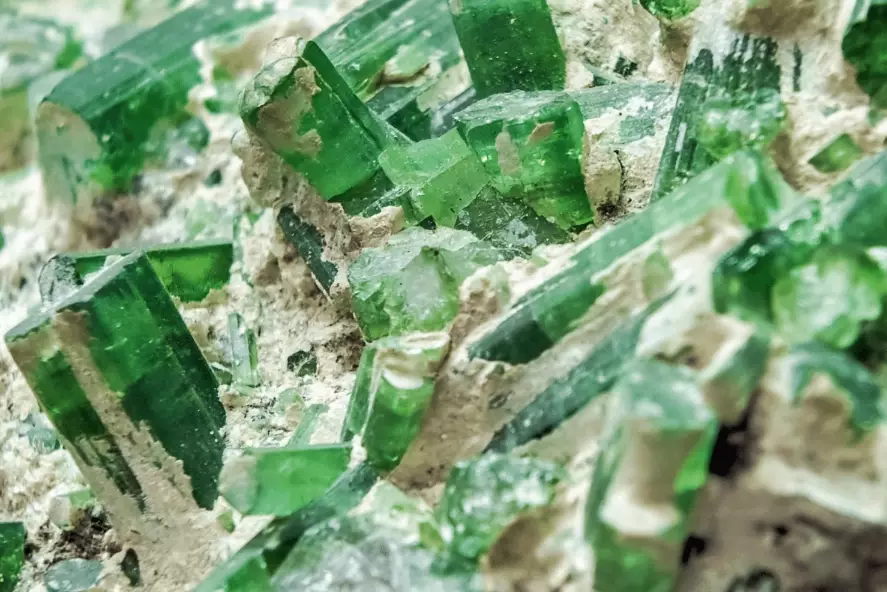
That table won't tell you the street-level reality. For instance, emerald oiling is so common that an un-oiled emerald is rarer than a polite taxi driver in Bangkok. But here's a non-consensus take: minor oiling is fine. Severe filling? Walk away. The difference? Hold the stone under a loupe. If you see a spiderweb of cracks that look like dried mud, that's severe.
Case Study: The $400 “Natural” Sapphire That Wasn't
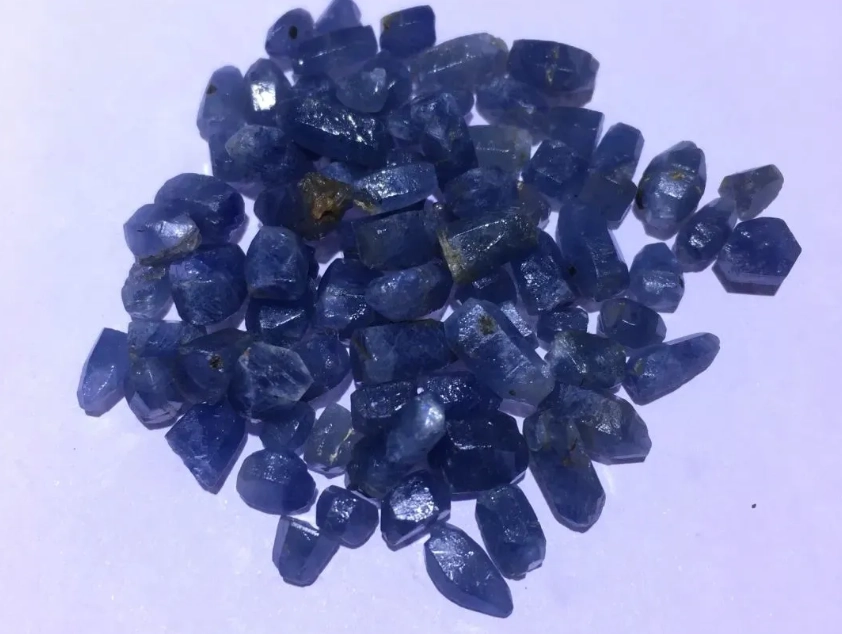
Last year a friend bought a “natural, unheated” blue sapphire from an online dealer. The certificate said “no indications of heating.” She paid $400 for a 1.5-carat stone — an impossible price for unheated. I took it to a lab in Bangkok's Silom district. Result: diffusion-treated. The color was only skin-deep. The lesson? Certificates are only as good as the lab behind them. Stick to GIA, SSEF, or Gübelin. A no-name lab's “unheated” means nothing.
Heated vs. Unheated: Why the Price Gap Matters
You'll see this everywhere: “unheated” printed in bold on a tag, with a price that makes your eyes water. Is it worth it? Depends on your goal.
Heating is permanent and stable. It's been standard practice for centuries. A heated sapphire is still a sapphire. But the market has inflated the premium for unheated stones to absurd levels — sometimes double the price for a stone you can't tell apart without a microscope. My take: if you're buying for beauty, heated is fine. If you're buying as an investment, unheated with top-tier certification is the only way to go. But don't kid yourself — most “investments” in colored stones are just expensive jewelry.
One trap I see constantly: sellers claiming a stone is “untreated” when it's actually just not heated. Irradiation, diffusion, or oiling might still be present. Always ask: “What treatments were applied?” Not just “Is it heated?”
How to Read a Treatment Disclosure (Without Getting Fooled)
Disclosures are written in a code that would make a spy novel jealous. Here's how to crack it.
“Minor oil” — usually fine for emerald, but it means the stone has surface-reaching fractures. That's normal. “Moderate” to “significant” oil — the stone is structurally compromised. Don't pay top dollar.
“Heat treatment” — acceptable for most stones. But “heat with residue” means lead glass or other fillers were used. That's a red flag. I've seen “heat with minor residue” on rubies that were essentially glass composites. Avoid.
“No indications of heating” — this is the phrase you want. But verify the lab. GIA is the gold standard. A random lab's report might as well be written in crayon.
And here's a subtle mistake even experienced buyers make: they trust the seller's verbal disclosure. In many countries, verbal disclosure isn't legally binding. Get it in writing on the invoice. If the seller balks, walk. There are plenty of honest dealers — I've bought from the same family in Chanthaburi for eight years because they write every treatment on the receipt, no fuss.
My personal checklist before buying any colored stone: 1) Ask for the treatment disclosure in writing. 2) Verify the lab's reputation. 3) Hold the stone under a 10x loupe — look for crack-filling patterns. 4) Check if the price aligns with the treatment (a “minor oil” emerald shouldn't cost as much as a flawless un-oiled one). 5) Sleep on it. High-pressure sales are a red flag.
Straight Answers to Real Buyer Questions
At the end of the day, gemstone treatments are neither good nor evil. They're a fact of the market. The key is knowing what you're buying and paying accordingly. I've seen beautiful heated sapphires that outshine mediocre unheated ones. Buy the stone, not the label. And always, always get it in writing.
Comments
Leave a Comment