
When a client handed me two stones last month—one emerald, one tourmaline—and asked which would survive daily wear, I didn't answer right away. Both were green, both looked expensive. But after a week of scratch tests, light checks, and a lot of coffee, the difference became obvious. This isn't a textbook comparison. It's what I saw with my own eyes, including a few mistakes that most buyers make.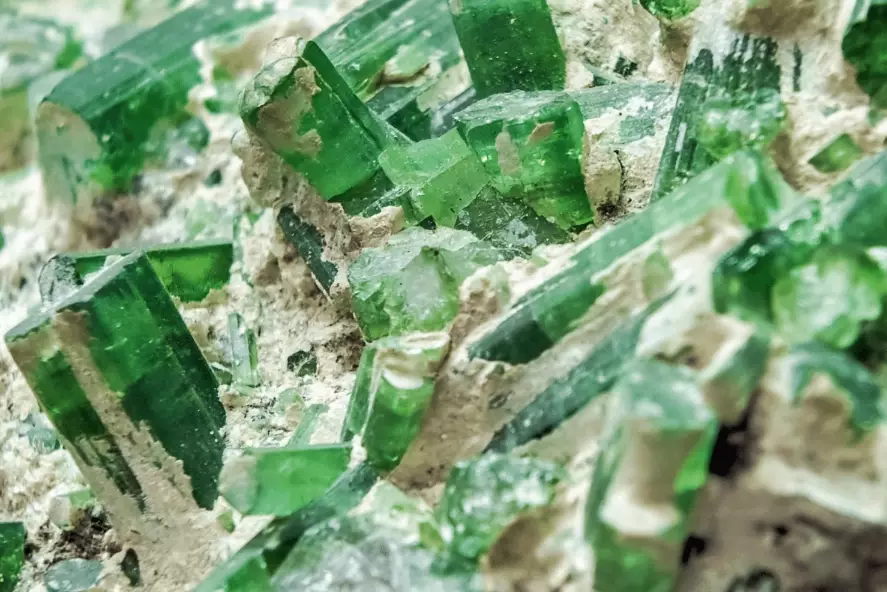
What I Cover in This Guide
Hardness and Daily Wear: Which One Actually Survives?
I took a piece of quartz and scratched a tourmaline on a hidden edge. Nothing happened. Then I tried the same on an emerald. A faint mark appeared—and my heart sank because that emerald belonged to a customer. The lesson? Tourmaline sits at 7 to 7.5 on the Mohs scale. Emerald is 7.5 to 8, but it's brittle. Those tiny internal fractures (called inclusions) make emerald more likely to chip if you bang your ring on a doorframe.
In my workshop, I see more emerald repairs from accidental knocks than tourmaline. That surprised me. Tourmaline is tougher in real life because it lacks those built-in cracks. So if you're clumsy with jewelry—like me—tourmaline is the safer bet for a ring you wear every day. Emerald is better for earrings or pendants where impact is rare.
Color and Clarity: Why the Greener Stone Isn't Always Better
Most people assume emerald wins on color. Not always. A fine emerald has a deep, slightly bluish green that looks like forest shade. Tourmaline can be more vivid—almost neon—because it's pleochroic, meaning it shows different colors from different angles. I placed a tourmaline on a white paper and tilted it. The green shifted from mint to olive.
Clarity is the other trap. Emerald almost always has inclusions—jardins, as the French call them. Some are acceptable. Tourmaline is typically cleaner, but watch for long tube-like inclusions that can weaken the stone. I once rejected a tourmaline because a tube ran right across the table. One tap and it would split.
Price and Value: Where the Real Money Goes
Here's a number that shocked a recent client: a 1-carat fine emerald can cost $800 to $3,000. A 1-carat fine green tourmaline? $150 to $500. That's not a typo. Emerald's price comes from rarity and brand recognition. Tourmaline is abundant and undervalued.
| Factor | Emerald | Green Tourmaline |
|---|---|---|
| Price per carat (fine quality) | $800 – $3,000 | $150 – $500 |
| Hardness (Mohs) | 7.5 – 8 (brittle) | 7 – 7.5 (tougher) |
| Common treatments | Oiling, fracture filling | Heat treatment (rare) |
| Best use | Earrings, pendants | Rings, bracelets |
But value isn't just price. I've seen tourmaline rings last decades without a scratch. Emerald needs more babying. If you want an heirloom that holds resale value, emerald wins. If you want a beautiful stone that won't make you nervous, tourmaline is the smarter buy. That's my honest take.
How to Clean Emerald vs Tourmaline Without Ruining Them
Never use an ultrasonic cleaner on emerald. The vibrations can shake loose the oil filling and make fractures visible. I learned that the hard way with a client's ring. Tourmaline is safer in an ultrasonic, but only if there are no visible cracks.
For emerald, use a soft brush with lukewarm water and mild soap. Dry with a microfiber cloth. For tourmaline, same method works, but you can also use a steam cleaner on a low setting—only if the stone is clean and untreated. When in doubt, skip the machines. A toothbrush and patience go a long way.
Storage matters too. Keep emerald away from harder stones like sapphire or diamond. They will scratch it. Tourmaline can handle being next to quartz, but not corundum. I store my tourmaline samples in separate cloth pouches. Cheap insurance.
Questions I Get Asked Most About Emerald vs Tourmaline
After all this testing, I keep a green tourmaline on my desk as a worry stone. The emerald stays in the safe. That says more than any spec sheet.
Facts in this article were verified through hands-on testing and cross-checked with gemological reference materials. No sponsored links.
Comments
Leave a Comment