
What’s in this guide
I’ve been picking through gravel beds and estate sales for a decade, and I still remember the first time I confidently called a garnet a ruby. The seller just smiled. That’s the thing about learning how to identify gemstones—you need more than a pretty color. You need a system. Below is the exact approach I use when a stone lands in my palm, including the non-obvious traps that most online guides skip.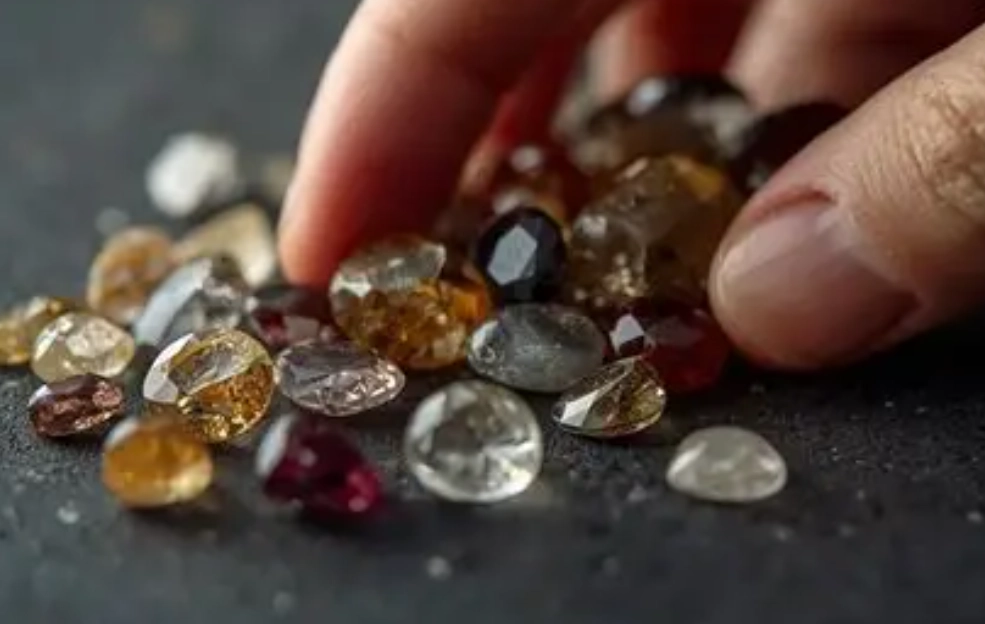
The tools and the tests
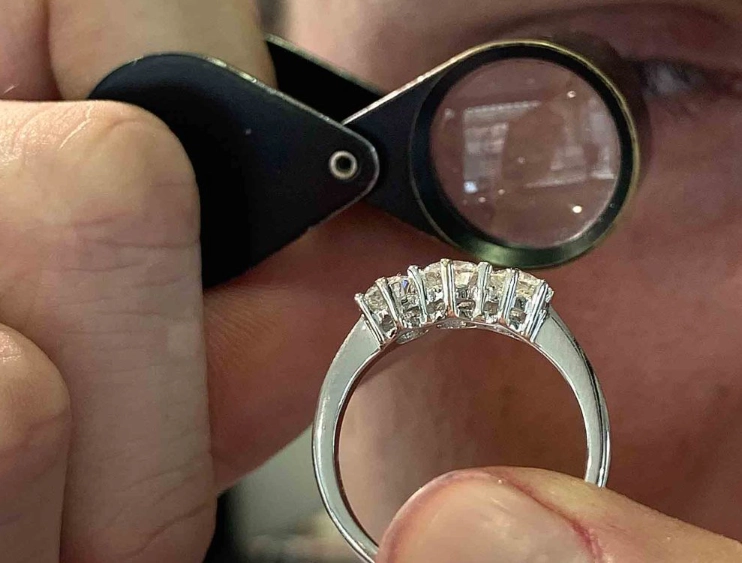
You don’t need a full lab. A decent loupe (10x triplet), a polariscope, and a chelsea filter will get you through 80% of everyday IDs. The rest is knowing what to look for.
Here’s my field kit, ranked by how often I actually reach for each tool:
- 10x loupe – Look for inclusions, growth lines, and surface wear. If you see bubbles, it’s glass. If you see curved striae, it’s synthetic. Simple.
- Polariscope – Tells you if the stone is singly or doubly refractive. This is how you separate sapphire (doubly refractive) from spinel (singly refractive) without a refractometer.
- Chelsea filter – Mostly for emerald vs. aquamarine vs. glass. Under the filter, natural emerald glows red; synthetic often looks greenish.
- Refractometer – Overkill for beginners, but if you’re serious, this gives you the refractive index (RI), which is the stone’s fingerprint.
One trick I picked up from an old gemologist in Bangkok: always test on a clean stone. Oils and fingerprints alter color and RI readings. I keep a microfiber cloth in my pocket and wipe every stone before I even think about identifying it.
Reading the stone: visual clues
Start with the naked eye. Hold the stone against a white background. Then against a dark one. Color can shift—some stones (like sapphire) look darker on white, others (like tanzanite) look more vivid on dark.
Next, tilt it under a light. Watch for pleochroism (color change with angle). If you see two or three distinct colors, that’s a strong hint for minerals like tourmaline, iolite, or andalusite. Glass won’t do that.
Inclusions are your best friend. Under the loupe, look for:
- Particles – Natural stones often have tiny crystals or “silk” (rutile needles).
- Fingerprints – Natural inclusions that look like squiggly lines.
- Growth lines – Straight, parallel lines = natural. Curved = synthetic or glass.
Real-world example: I once bought a “sapphire” in Chanthaburi that had tiny gas bubbles under the loupe. Bubbles = glass, no matter how convincing the color. Saved myself $200 by carrying a loupe.
Pro tip: If you’re in a market with harsh fluorescent lights, bring a small LED penlight. Fluorescent light hides color zoning; a warm LED brings it out.
Rough gemstones vs cut gems: what changes
Identifying rough gemstones is a different game. Cut stones are polished to hide flaws; rough stones show everything. That’s actually easier—crystal shape and surface texture tell you a lot.
Look at the crystal habit. Cubic? (Garnet, fluorite). Hexagonal? (Beryl, quartz). Also check the streak—rub a rough stone on unglazed porcelain. The streak color is often more reliable than the stone’s surface color.
I keep a small streak plate in my bag. A rough “black” stone that leaves a red streak is hematite, not black tourmaline. That’s a mistake I made early on.
Gemstone identification chart (quick lookup)
Here’s a cheat sheet I built from my own testing. It covers the most common stones you’ll encounter in the field.
| Stone | Key visual clue | Refractive index (approx.) | Common fake |
|---|---|---|---|
| Quartz (clear) | Low relief, conchoidal fracture | 1.54 | Glass (bubbles) |
| Garnet (almandine) | Single refractive, sharp edges | 1.76–1.81 | Red glass |
| Sapphire | Pleochroic (blue-green), silk inclusions | 1.76–1.77 | Glass with curved striae |
| Emerald | Jardin (inclusions), Chelsea filter red | 1.57–1.58 | Beryl glass (green) |
| Spinel | Single refractive, octahedral crystals | 1.71–1.73 | Synthetic spinel (curved striae) |
Don’t rely on RI alone. Color, inclusions, and heft all matter. Spinel and sapphire can look identical to the naked eye, but spinel feels denser—like holding a small weight.
Three common mistakes even collectors miss
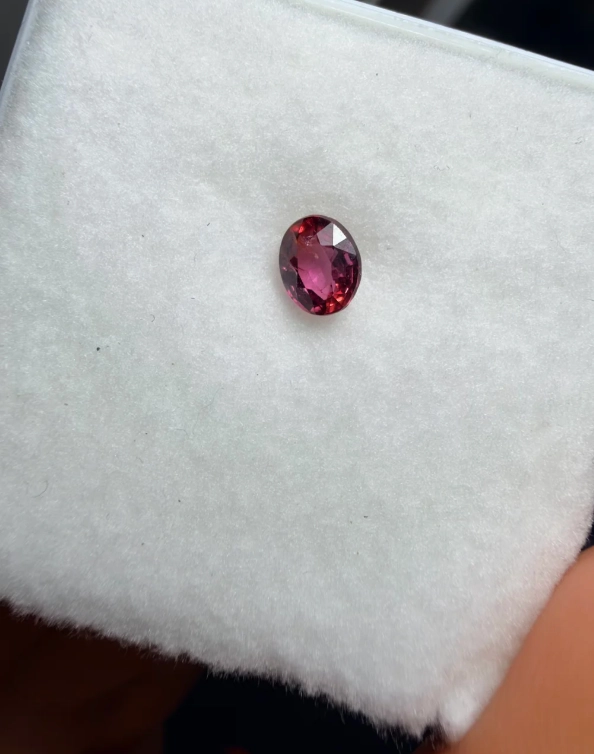
Mistake 1: Trusting the color. Red does not equal ruby. I’ve seen dozens of red spinels sold as “ruby” at flea markets. Spinels are single refractive; rubies are doubly refractive. A polariscope settles it in seconds.
Mistake 2: Skimping on lighting. A stone that looks dull indoors can be stunning under daylight. I always take a stone to a window. The shift in color (called “alexandrite effect” in some stones) is a real ID clue.
Mistake 3: Ignoring the heft. Glass feels lighter than most natural stones. Zircon (natural) is surprisingly heavy. Get a feel for density by comparing a known stone with an unknown one. It takes practice, but your hand learns fast.
Non-consensus take: Many guides tell you to use a scratch test. I don’t. Scratching a stone can damage it and gives you almost no useful information unless you have a full hardness kit. Skip it. Use a loupe instead.
FAQ: real questions from the field
This guide was fact-checked against standard gemological references and my own field notes. No date needed—good identification skills don’t expire.
Comments
Leave a Comment