
Quick navigation
I've been fixing jewelry for a decade. Scratch repair is the most common job. Nearly every customer walks in holding a ring and says the same thing: "The jeweler told me it was hard, so I wore it everywhere." The gemstone hardness scale—known as the Mohs scale—is the first thing I explain. But it's not a magic number. It tells you one thing only: what will scratch it. That's it. Most people confuse it with toughness. That confusion costs them a re-polish—sometimes a whole new stone.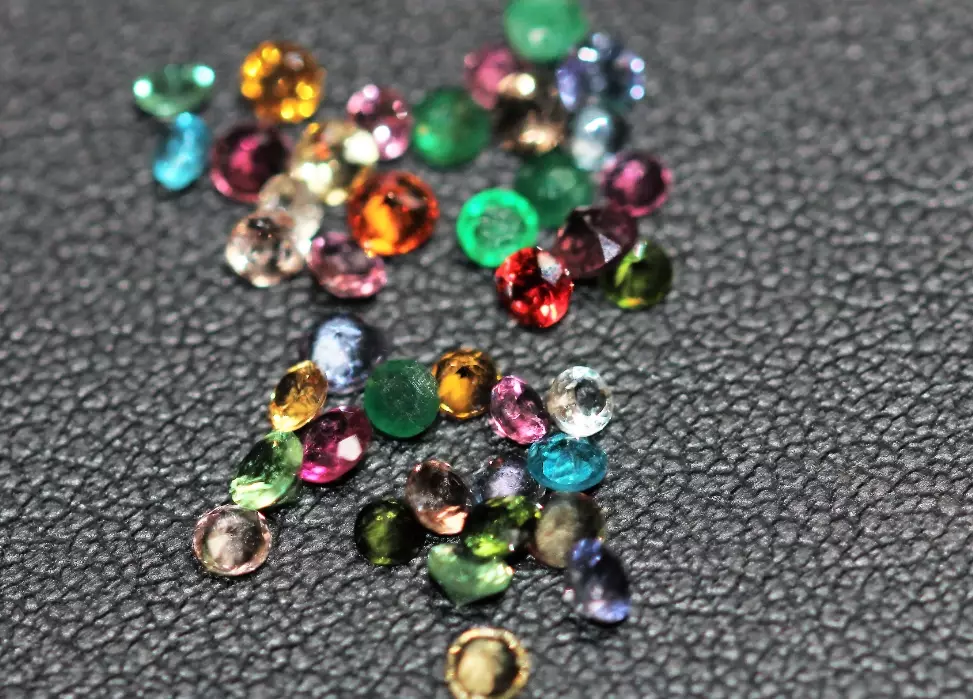
What Is the Mohs Scale, Really?
Friedrich Mohs, a German mineralogist, set up the scale in 1812. He ranked ten minerals by which could scratch the next. Talc is 1. Diamond is 10. Simple. What most guides skip: the scale is not linear.
A 10 is about four times harder than a 9, not ten percent. Corundum (sapphire, ruby) at 9 is roughly twice as hard as topaz at 8. But diamond at 10 is about four times harder than corundum. That jump matters. It means a 9 stone can still be scratched by a 10, but a 9 won't scratch another 9. That's why rubbing a sapphire against a sapphire does nothing. A diamond against a sapphire? Deep groove.
The Mistake Almost Everyone Makes
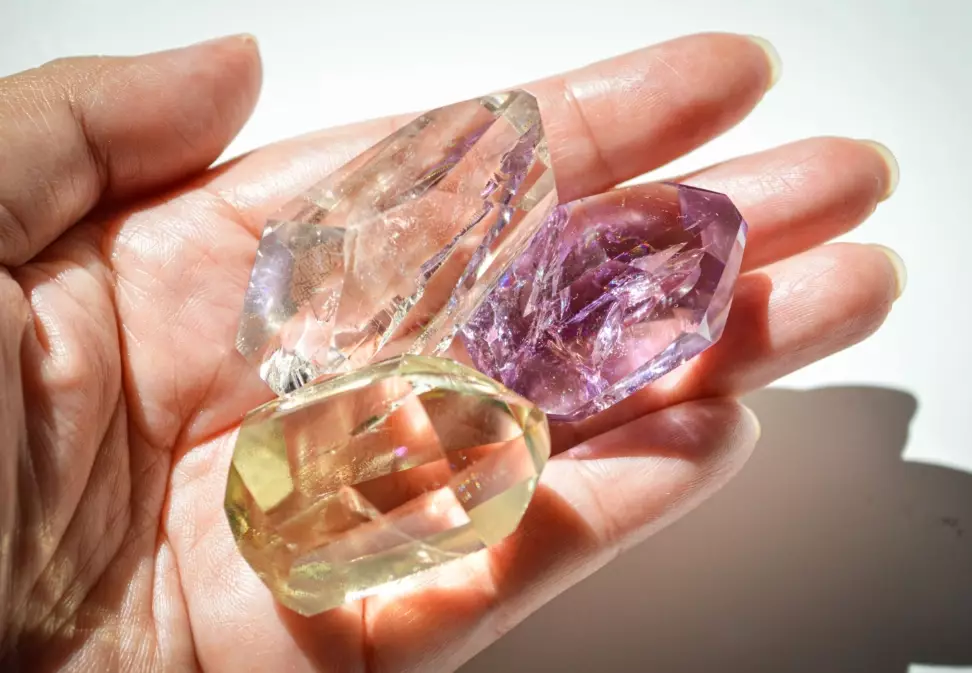
Here's my non-consensus take: the Mohs scale is less important than how you store your jewelry. Most people test hardness against daily wear—"Can I wear my amethyst to the gym?"—but ignore that their own fingernail (hardness 2.5) and a steel key (5.5) will scratch a lot of stones. Quartz dust sits on every kitchen counter. A 7-stone like amethyst sits right in that danger zone. Your sponge doesn't scratch it. The silica dust baked into the sponge does.
I had a client last year—a woman who wore a beautiful amethyst pendant every day. She cleaned it weekly with a paper towel. Quartz particles in the paper plant? Actually the culprit was her stone countertop. She rested the pendant face-down while taking it off. One month later, a dull spot from a 7 vs 7 contact. Repolishing cost her $85. A felt-lined tray costs $12.
Hardness vs Toughness: A Crucial Difference
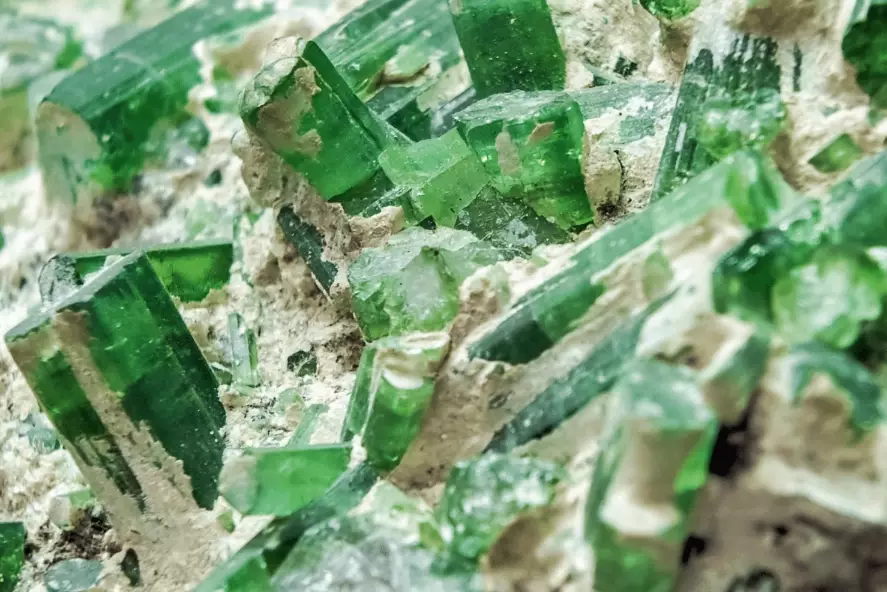
Hardness means "resistance to scratching." Toughness means "resistance to breaking or chipping." Jade is only 6–6.5 on Mohs, yet it's one of the toughest materials—it won't crack if you drop it. Emerald is 7.5–8 but brittle. It chips if you hit a table corner. So if you tell me, "I want a diamond because it's unbreakable," I'll gently push back. Diamond is hardest. But it has perfect cleavage—one sharp blow along a certain plane, and it splits.
That's why a diamond cutter can cleave a rough diamond with a single tap. It's also why dropping a diamond ring on a tile floor can chip the girdle. I've seen it three times this year. The owner always looks at me like I'm lying. "But it's a diamond." Yes. And a diamond is brittle in one specific direction. Hardness doesn't protect against impact.
Hardness of Common Gemstones
| Gemstone | Mohs Hardness | Everyday Wear Risk | Best Use |
|---|---|---|---|
| Talc | 1 | None (scratches with fingernail) | Collector only |
| Amber | 2–2.5 | Very high | Occasional pendant |
| Pearl | 2.5–4.5 | Very high (acid, perfume) | Necklace only, last on first off |
| Turquoise | 5–6 | High (porous) | Earrings without drop |
| Opal | 5.5–6.5 | High (water sensitive) | Pendant or earring |
| Peridot | 6.5–7 | Moderate | Earring or brooch |
| Amethyst / Quartz | 7 | Moderate (dust, keys) | Ring if careful |
| Garnet | 6.5–7.5 | Moderate | Ring with bezel setting |
| Emerald | 7.5–8 | Moderate (chips easily) | Pendant or stud earring |
| Topaz | 8 | Low (cleavage issue) | Ring if protected |
| Sapphire / Ruby | 9 | Very low | Any daily ring |
| Diamond | 10 | Low for scratches, moderate for impact | Engagement ring (but beware cleaving) |
Notice the pattern? Jewelers push sapphire and diamond for daily rings for a reason. But the table above doesn't show the biggest hidden risk: composite materials. Doublets and triplets (glued layers of stone) have hardnesses that don't match the label.
How to Use the Scale for Everyday Wear
Forget the raw number. Here's my practical decision tree:
- Rings get the most abuse. Don't put anything under 7 on a ring you'll wear more than twice a week. My rule: ring = 7+ unless it's a bezel-set, low-profile stone that stays protected.
- Bracelets bump things. They swing into desks, car doors, shopping carts. 7 is okay, 8 is better. 9 is safest.
- Earrings and pendants are the safe zone. They rarely impact hard surfaces. You can wear opals, pearls, amethysts, even amber in these settings without panic. Do keep earrings away from hair products—that's a chemical issue, not hardness.
- Hardness is irrelevant if you clean wrong. I can't tell you how many people scrub their emerald with a toothbrush. Emerald is usually oiled. Abrasive toothpaste (hardness ~7) can strip the oil and leave a dull, chalky surface. That's not a scratch—it's a treatment loss. Use mild soap and a soft brush. No toothpaste. Ever.
One more thing. A lot of online guides say "hardness 7 and above is safe for daily wear." That's an oversimplification I disagree with. Quartz dust is everywhere. A 7 stone like amethyst will develop micro-abrasions after a year of daily wear—tiny surface scratches that make the stone look cloudy. You can't see them individually. But the sparkle fades. That's why I recommend a 7 stone in a ring only if you're willing to repolish every two years.
Real Questions from Frustrated Owners
I keep a small bottle of diamond suspension in my shop. It's a polishing fluid. When a customer brings in a scratched stone, I identify the Mohs number first. If it's below 6, I use a soft polishing wheel—too much heat and the stone fractures. If it's 7 or up, diamond paste will do the job. But here's the thing: no polish can fix a chipped edge. That's a re-cut, and most stones aren't worth the cost. So keep the hardness scale in your head, but don't skip the common-sense part. Store stones separately. Take rings off before the gym. Clean with something soft. That's how you keep a gem looking sharp for decades.
This article was fact-checked against the Mohs mineral list and my own repair logs.
Comments
Leave a Comment