
I've spent over a decade sourcing colored stones for jewelers and private collectors. In that time, I've answered one question more than any other: "Can you find me something for a September birthday?"
So if you're staring at a birthstone list online and wondering which version is actually correct—you're not alone. The truth is, there isn't one universal list. There are two major versions (traditional and modern), and a few stones are swapped around depending on who you ask. Here's the breakdown I wish every customer got before they spent a dime.
Jump to What You Need
The Birthstone List by Month
Here's the modern list most jewelers work from—the one popularized by the American Gem Trade Association (AGTA) and the Jewelry Industry Council. I've added a few practical notes only a bench jeweler would care about.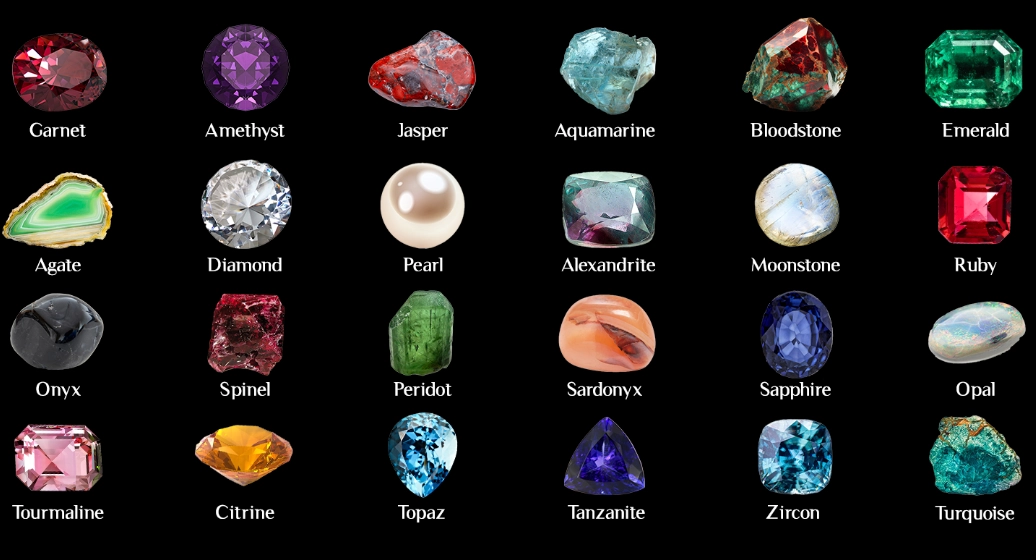
| Month | Modern Birthstone | Practical Reality Check |
|---|---|---|
| January | Garnet | Hardness 6.5–7.5. Fine for everyday rings, but avoid harsh chemical dips. |
| February | Amethyst | Hardness 7. Porous when heat-treated poorly; I've seen dye leak from cheaper stones. |
| March | Aquamarine | Hardness 7.5–8. Durable, but cleavage planes mean a hard knock can chip the edges. |
| April | Diamond | Hardness 10. The benchmark, but a diamond isn't tough if you slam it on a counter. |
| May | Emerald | Hardness 7.5–8. Typically treated with resin to hide fractures—never use an ultrasonic cleaner. |
| June | Pearl, Moonstone, Alexandrite | Pearl is 2.5–4.5. Treat it like a silk scarf, not a rock. Moonstone is 6–6.5. |
| July | Ruby | Hardness 9. Durable, but heat-treated rubies are the norm—glass filling is a red flag. |
| August | Peridot, Spinel | Peridot is 6.5–7. Spinel at 8 is the sleeper hit—durable and often untreated. |
| September | Sapphire | Hardness 9. Unbeatable for daily wear, but beware of fracture-filled sapphires from cheap sellers. |
| October | Opal, Tourmaline | Opal is 5.5–6.5 and can crack if it dries out. Tourmaline is 7–7.5. |
| November | Topaz, Citrine | Topaz at 8 can split along a cleavage plane. Citrine is 7, but sunlight can fade it. |
| December | Turquoise, Tanzanite, Zircon | Turquoise is 5–6 and absorbs skin oils. Tanzanite is 6–7 and chips easily. |
Traditional vs. Modern Birthstones
This is where people get tripped up. A birthstone list from a jewelry store might say June is pearl. A list from a vintage collector might say June is moonstone. Both are "correct"—they just come from different eras.
Where they clash most:
- June: Traditional = moonstone. Modern = pearl, moonstone, alexandrite.
- August: Traditional = sardonyx. Modern = peridot, spinel.
- October: Traditional = tourmaline. Modern = opal, tourmaline.
- November: Traditional = topaz. Modern = topaz, citrine.
- December: Traditional = turquoise. Modern = turquoise, tanzanite, zircon.
I always ask customers: are you buying this for a piece you plan to hand down? If yes, the traditional stone often has more soul. If you want the hardest-wearing option, the modern list usually gives you more choices.
Which Birthstones Are Durable?
Not every birthstone belongs in a ring you wear daily. I learned that the hard way early on—I once set an opal in a delicate ring, and the customer chipped it within a month. She wore it while lifting weights. Lesson learned.
Here's the honest ranking based on Mohs hardness and toughness (which aren't the same thing).
- Best for daily rings: Sapphire, ruby, diamond.
- Good for occasional wear: Spinel, aquamarine, garnet.
- Better as pendants or earrings: Pearl, opal, tanzanite, moonstone.
- Use with caution in rings: Emerald (treatments make it fragile), turquoise (porous), peridot (can be brittle).
How to Choose a Birthstone Gift
Let's say you're buying for a spouse's birthday. You've got the birthstone list in hand. Now what?
Start with how they live. Do they wear jewelry every day, or only on dress-up nights? A pearl pendant works for the latter. A sapphire ring works for the former.
Then think about color. Not everyone loves the official stone for their month. I've had clients born in October who hate opals (too fragile) and want tourmaline instead. That's allowed. A birthstone list is a starting point, not a law.
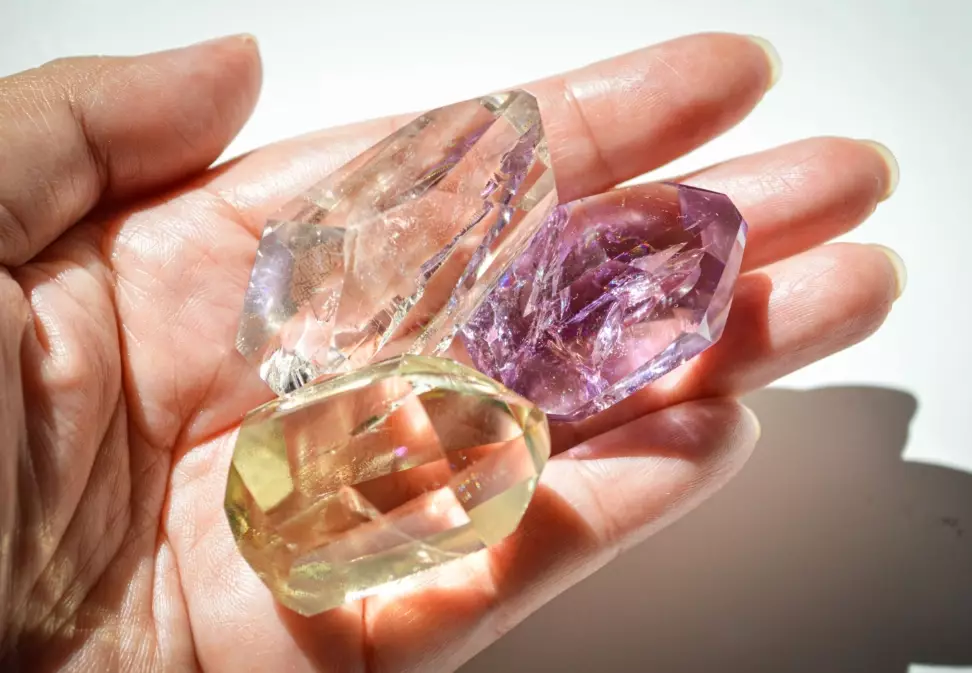
And here's a trick I use: bring a photo of the stone to a local gem show. Ask to see the stone in natural light. Most online photos are shot under perfect studio lamps. Real stones look different—sometimes better, sometimes worse. If you're buying online, make sure there's a solid return policy.
Birthstone Buying Mistakes I See All the Time
Two big ones come to mind. Both involve people not reading beyond the first birthstone list they find.
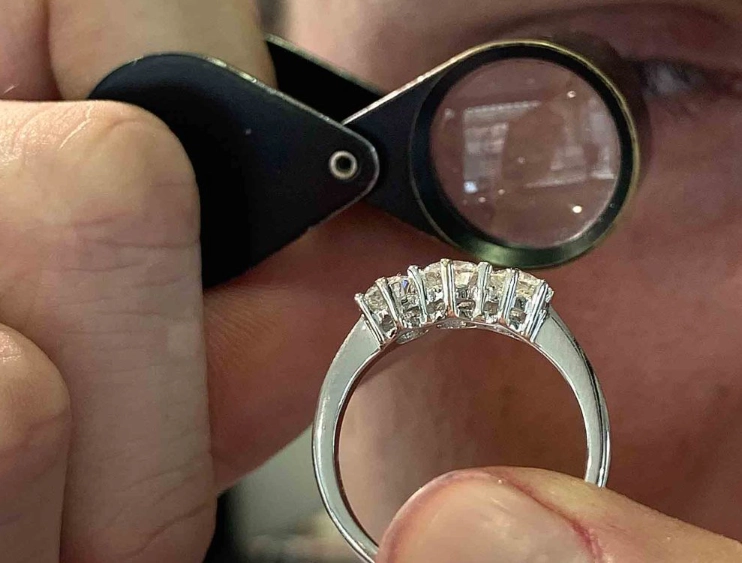
Mistake 1: Assuming all stones with the same name are equal. Not all emeralds are created equal. A Colombian emerald with minor oil is a different animal from a heavily treated Zambian stone. The birthstone list won't tell you that. You need a gemologist report (or a seller you trust) to tell you the real quality.
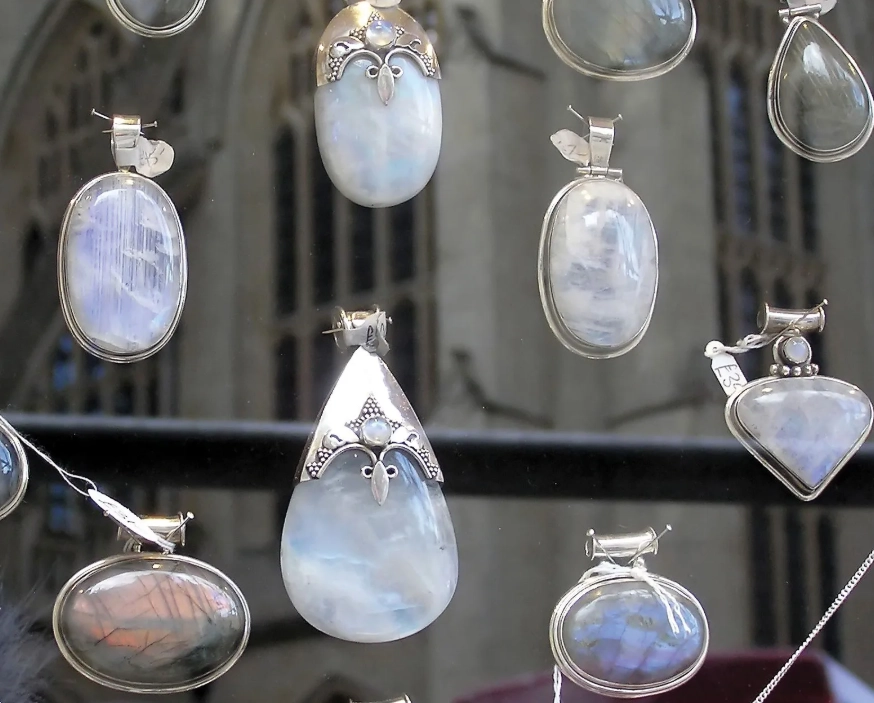
Mistake 2: Ignoring metal compatibility. A softer stone like opal or pearl shouldn't be set in a high-impact design with lots of prongs and air gaps. It needs protection. I've seen beautiful moonstone rings where the stone sits up high like a beacon—gorgeous, but destined for a chip.
One more thing: don't buy a birthstone just because it's the month. I've met people with a September birthday who don't like blue. Sapphire comes in pink, yellow, and white too. The list doesn't always spell that out.
Straight Talk: Your Birthstone Questions
Are birthstone lists religious or scientific?
Neither. They come from cultural traditions and, more recently, trade associations. The modern list was standardized in the 1950s as a marketing tool to help jewelers sell colored stones. That's why gemological labs like GIA don't certify "birthstones"—they certify what the stone actually is.
Can I use a different stone than the one on the list for my month?
Absolutely. The list is a convenience, not a rule. I've sold plenty of "wrong" birthstones—a July birthday who wanted spinel, a June birthday who wanted a sapphire. The only people who care about strict lists are the ones who read them too literally.
What's the most overpriced birthstone on the list?
Emerald. Good ones are genuinely rare, but the market is flooded with heavily treated stones that look fine in photos and crack in real life. If you want an emerald ring, budget for a reputable seller and a gemological report. Don't bargain-hunt.
Why is December's list so long and confusing?
Because the traditional stone (turquoise) is soft and cannot handle daily wear. So the modern list added tanzanite and zircon to give buyers more durable choices. Tanzanite is soft too, honestly. Zircon is the best-kept secret for December if you want something sparkly that won't chip.
Can I wear my birthstone ring every day?
Depends on the stone. Sapphire, ruby, and diamond? Yes, almost no limits. Opal, pearl, tanzanite? No. Those should come off when you shower, sleep, or work with your hands. I tell customers to think of those softer stones as "special occasion gems," not daily armor.
At the end of the day, a birthstone list is just a map. You don't have to follow it exactly. Use it to start a conversation with a jeweler, then let your own eyes and your lifestyle make the final call. The best birthstone is the one you'll actually wear.
Comments
Leave a Comment