The first time I watched a cutter in Jaipur tilt a rough sapphire against a lap wheel, I asked which cut he would use. He shrugged and said the stone decides. That stuck with me. The shape you see in a jewelry case is often the cutter's compromise between weight retention and light return. Most buyers scroll through a gemstone cuts chart and pick a shape. The cut type underneath is what moves the price, the sparkle, and how the stone survives daily wear. Here is the breakdown I wish more buyers had before they pay a deposit.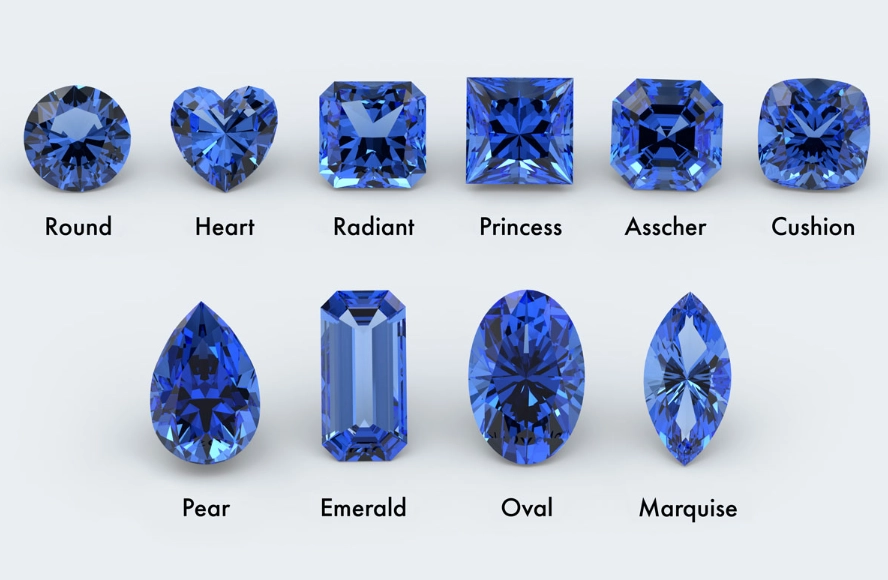
Quick map of this guide
What Are Gemstone Cut Types, Really?
A cut type is the geometry of a stone: its outline, the number of facets, and the angle those facets meet. Shape and cut get used interchangeably online, but they are not the same. Shape is the outline (oval, pear, cushion). Cut is the facet arrangement that controls how light bounces back to your eye. The Gemological Institute of America grades cut on colored stones differently from diamonds, and that difference matters when you compare a gemstone cuts chart to a diamond cut chart.
One cutting mistake I see often: buyers chase a specific shape because it looks big in photos. A shallow oval with a wide table can look bigger and still be dead in low light. That wide table is the culprit. It is a measurement beginners never check. It is the first thing I check at a dealer's tray.
The Main Gemstone Cut Types and Their Trade-Offs
This is where the different types of gemstone cuts stop being a menu and start being a decision. Each one trades light performance against rough yield and durability.
Round Brilliant
Maximum light return and the most forgiving cut for lower-color rough. It also wastes the most rough, so per-carat it runs higher. If brilliance is your priority and budget is flexible, this is the standard.
Oval
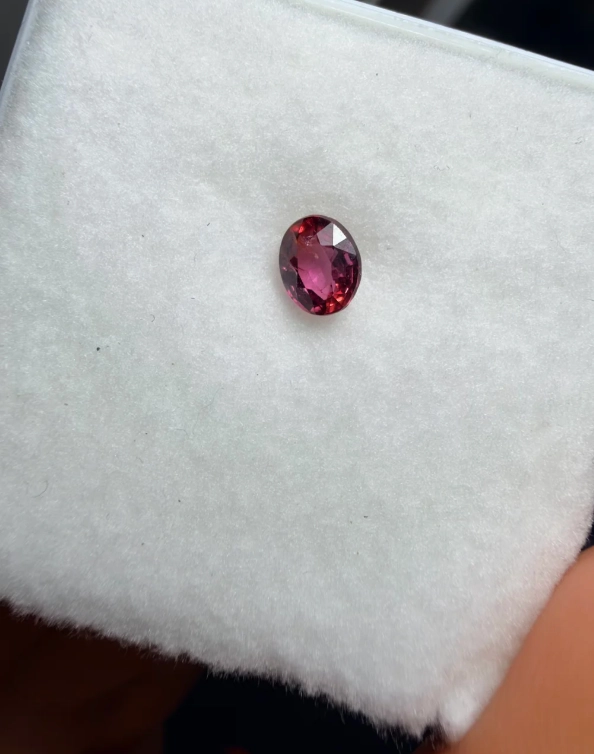
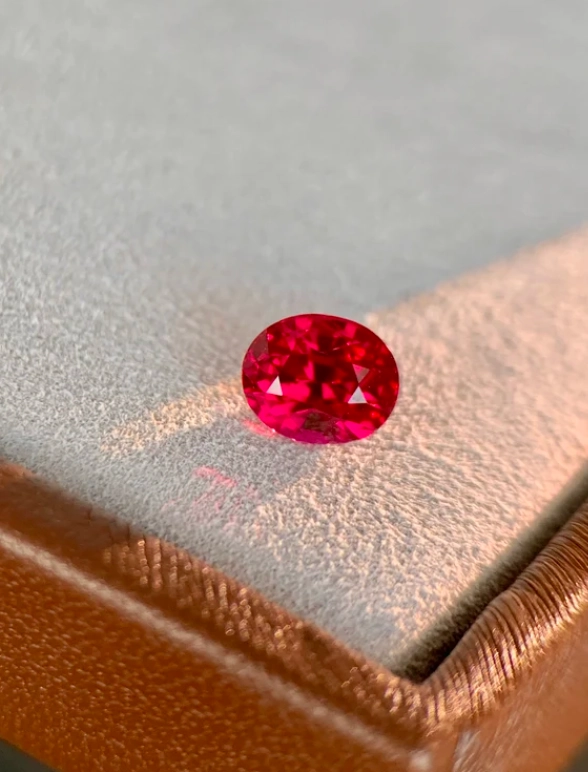
A stretched round. Stones look bigger than their carat weight suggests. The risk is the bow-tie, a dark band across the middle. My rule: hold the stone at arm's length in indirect daylight. If the bow-tie looks like a shadow, walk away.
Cushion
Soft corners make it durable for everyday rings. Cushion cuts range from brilliant to step style, and that changes the sparkle completely. Ask which facet style you are looking at, because the listing rarely says.
Emerald (Step Cut)
Long, clean step facets. It flatters clear stones and exposes inclusions, so it works on higher clarity. Corners chip, so use prongs or a bezel. Watch the four corner facets: uneven width means rushed cutting.
Pear
One sharp end needs protection. In a pendant it is fine. In a ring, a bezel around the point prevents the chip I have seen on more than one resized ring.
Marquise
Long and narrow with two points. It makes a small carat look large, but points are fragile. The belly (widest point) must sit centered. Off-center bellies look lopsided in movement.
Princess
Square outline with brilliant facets. Sharp corners demand a V-prong or a corner setting. It hides color well, which is why it shows up in budget fancy-color stones.
Cabochon
A smooth dome, no facets. Classic for opal, turquoise, and star sapphire. The cut matters less than the dome height. A too-flat dome kills the star and the play-of-color.
Briolette
Faceted drop with no table, drilled for a bail. It is a dangle cut, not a ring cut. It shows off saturation in tourmaline and pink sapphire.
Asscher
Square step cut with cropped corners. Fewer, larger facets mean clarity is on display. It is a quiet cut, not a sparkle bomb. Buyers who want flash often regret it.
Trillion
Triangular brilliant. Usually a side-stone. As a center stone it needs a custom setting, and the three points still chip.
How to Choose a Gemstone Cut for Your Budget
Start with how the stone will be worn. An engagement ring sees knocks; a pendant does not. A pear in a ring needs a bezel. A princess needs V-prongs. That is durability first, sparkle second, size third.
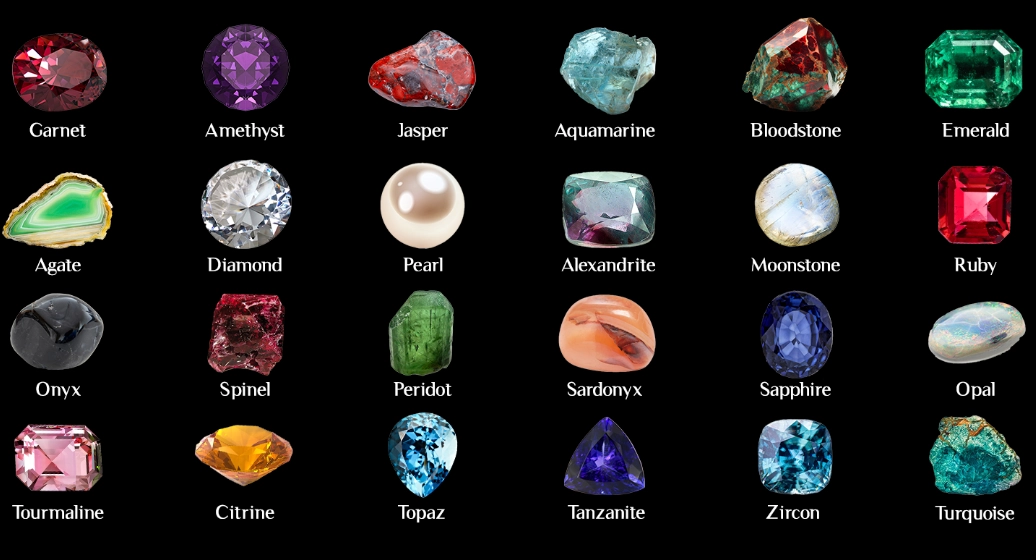
Then match the cut to the stone. Emerald cuts flatter clean rough. Ovals hide inclusions inside the width. Cushions suit saturated colors because the soft outline keeps color mass. If you are comparing a gemstone cuts chart online, note that charts usually show shape, not facet style. The facet style is what you ask on the phone.
| Cut Type | Light Behavior | Durability Risk | Best For |
|---|---|---|---|
| Round brilliant | Highest brilliance | Low | Max sparkle budget |
| Oval | Bright, bow-tie risk | Low | Face-up size |
| Cushion | Soft sparkle, variable | Low | Everyday rings |
| Emerald step | Flash, not sparkle | Corners chip | Clean high-clarity stones |
| Pear | Bright with dark tip risk | Point chips | Pendants, bezels |
| Marquise | Large look, point risk | Points chip | Accent stones |
| Princess | High brilliance | Corners chip | V-prong settings |
| Cabochon | Glow, no facets | Low | Opal, turquoise |
| Briolette | Dance of light | Drill hole stress | Dangles, earrings |
| Asscher | Quiet step flash | Corners chip | Clarity-forward buyers |
| Trillion | Sharp sparkle | Three points chip | Side stones |
Cut Quality Flags Most Buyers Miss
Here is the part the charts skip. A cutter's priority is often weight, not beauty. That choice shows up in three places.
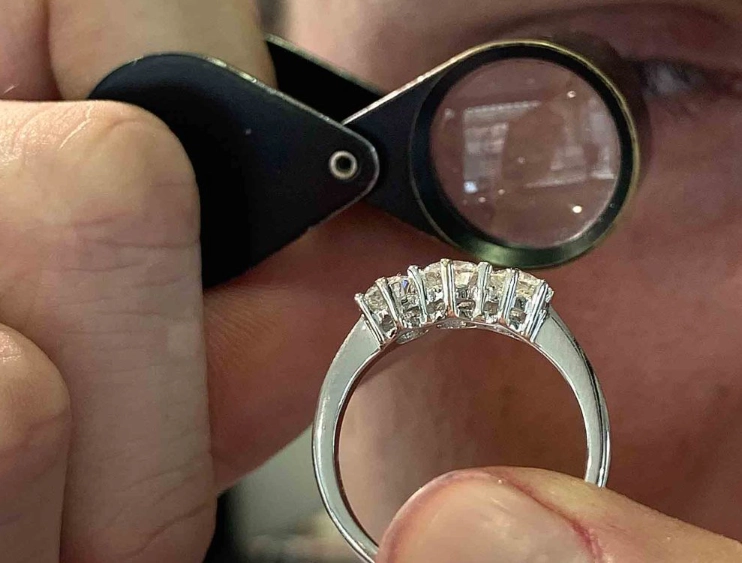
Facet junctions. Look at where facets meet. On a well-cut stone they snap together in clean lines. On a rushed stone they miss, and you get a dull seam. This is the flaw I see most in budget overseas listings.
Girdle thickness. A very thick girdle keeps weight but hides a small stone inside a big outline. A very thin girdle chips at the setting stage. Neither is a bargain.
Symmetry of outline. On an oval or pear, the two halves should mirror. A lopsided outline is not a style choice. It is a cutting shortcut, and it shows when the stone moves.
I once turned down a pear because the point carried a dark tip. The seller called it character. The lab report called it a window. Same stone, two stories, and only one of them affects resale.
Questions I Get at the Bench
My oval stone has a dark band in the middle. Is that the cut or the color?
Usually the cut. It is the bow-tie effect, caused by facet angles that leak light across the width. Tilt the stone. If the band stays dark while the rest brightens, the cut is the problem. If it shifts with the light, you are seeing color zoning.
Should I pick an emerald cut for a ring I will wear daily?
Only with corner protection. Step cuts expose inclusions, and the four corners take hits. A bezel or prongs that wrap the corners make it workable. Without them, expect chips within a couple of years of real wear.
Why is a round brilliant more expensive than an oval of the same carat?
Rough yield. A round brilliant throws away more rough to reach the ideal angles, so the cutter needs more material per finished carat. Oval keeps more weight, which lowers the per-carat price but raises the risk of a bow-tie.
Does a cabochon count as a gemstone cut type?
It does, and it is underrated for stones that show pattern instead of sparkle. Opal and star sapphire lose their best feature under facets. The dome height is the cut decision there, not the facet count.
How do I compare a gemstone cuts chart to the actual stone?
Treat the chart as shape only. Ask the seller for table percentage, girdle thickness, and a video in indirect daylight. Those three answers tell you more than the shape name ever will.
If you take one thing from this, let it be the table percentage. It is the number that separates a bright stone from a big-looking dull one, and almost no listing shows it. Ask, compare, then buy. This guide was fact-checked against published GIA cut guidance and bench practice.
Comments
Leave a Comment