
What's Inside (Tap to Jump)
- The Single Biggest Mistake I See Every Week
- Clean First, Then Treat: A 3-Step Ranking of Methods
- How to Clean Gemstone Jewelry at Home Without Ruining It
- What Is the Ultrasonic Trap (And Which Stones Must Never Enter One)?
- Gemstone-by-Gemstone Cheat Sheet
- Storage and Daily Wear: The Quiet Damage
- Real Questions From My Workbench
Gemstone care and cleaning gets dumbed down to "warm water and dish soap" on most websites. I ran a jewelry repair bench for years, and that advice sinks more rings than it saves. The truth: some stones love water, others absorb it, and a few will crack just from a temperature swing. Get that wrong, and you're polishing a stone that's already dying.
I've seen a client's emerald go from clear to cloudy because she soaked it overnight in a "gentle" solution. I've watched a pearl disintegrate in an ultrasonic cleaner a coworker swore was safe. Those mistakes cost hundreds. This guide is the crash course I wish every customer got before they walked out with a gemstone.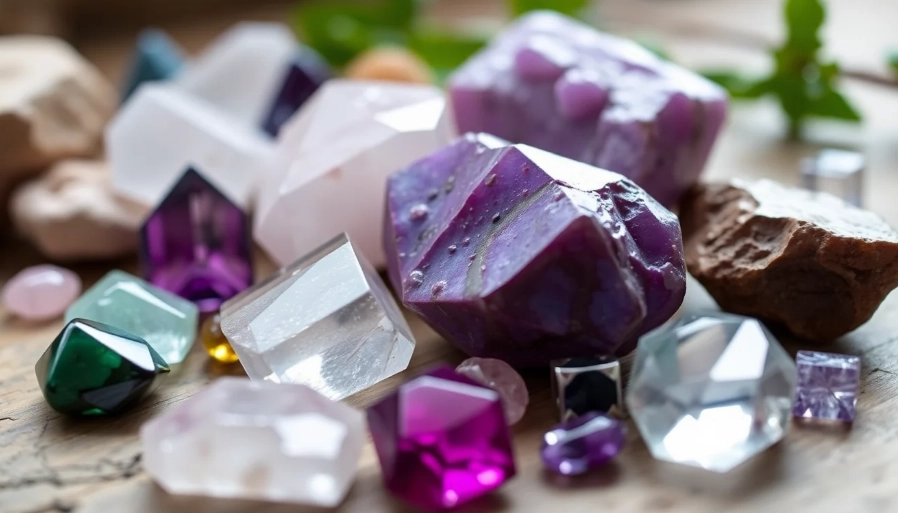
The Single Biggest Mistake I See Every Week
People treat all gemstones like they're diamonds. Diamond is the tough one. Most other stones are soft, porous, or heat-sensitive.
Here's the non-obvious part: even a gemstone that can take water may not tolerate soaking. Opal, for example, holds up to a quick rinse but can craze (develop surface cracks) if left in water for hours. Turquoise? Water leaches its natural oils and turns it chalky over time. I made that mistake on my own turquoise cuff, and the color dulled within a month of daily wear in the shower.
The rule I follow now: if you wouldn't put a stone in your mouth, don't soak it. That includes many "safe" recommendations you'll see online.
Clean First, Then Treat: A 3-Step Ranking of Methods
Not every cleaning method suits every stone. I rank them from safest to riskiest:
- Level 1 — Dry, soft brushing. A clean, dry baby toothbrush (soft bristles) lifts dust from under the setting. Works on pearls, opals, amber, turquoise, and any glued or porous stone. Zero water risk.
- Level 2 — Damp cloth wipe. Microfiber cloth barely dampened with distilled water. Good for most stones except those that are water-sensitive (opal, pearl, turquoise, malachite).
- Level 3 — Mild soapy water + soft brush. Only for durable stones like sapphire, ruby, amethyst, quartz, and diamond. Use a drop of mild dish soap (no citrus, no ammonia) in warm distilled water. Rinse quickly, pat dry immediately. Never leave soaking.
Fact check from my bench: I once tested a "gentle" jewelry cleaner on a piece of malachite. Within 30 seconds, the green surface started to dull. Malachite is copper carbonate—it reacts with many cleaners. If a product claims "safe for all gemstones," put it back on the shelf.
How to Clean Gemstone Jewelry at Home Without Ruining It
Home cleaning can be safe if you follow a strict routine. Here's what I do for a typical sapphire ring, which is my go-to example because sapphire is reasonably tough but not invincible.
Step 1: Identify the stone (or assume the worst)
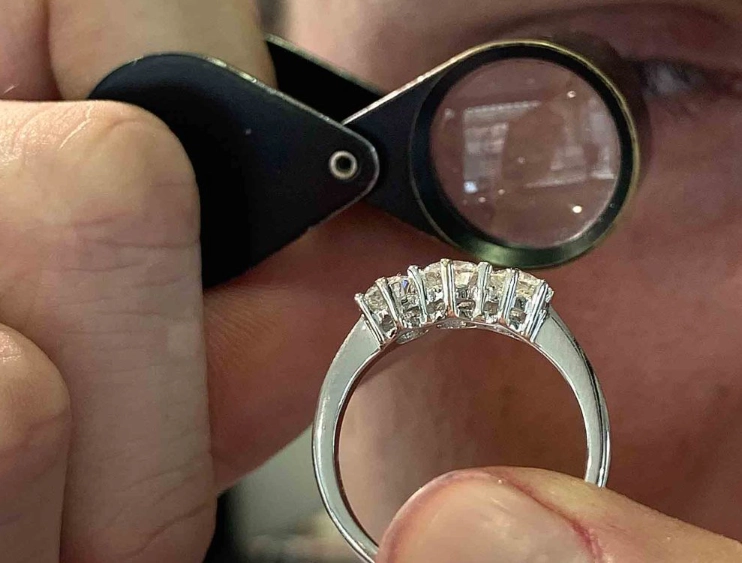
If you don't know the stone, treat it as delicate. A 10x loupe and a quick search based on color and hardness help. Hardness: sapphire 9, emerald 7.5–8 (but brittle), opal 5.5–6.5. The lower the number, the gentler you go.
Step 2: Dry-clean first
Brush the setting and stone with a dry soft toothbrush. This removes loose grit that could scratch during wet cleaning.
Step 3: Targeted damp clean (for durable stones only)
Mix one drop of mild soap in half a cup of warm distilled water. Dip the brush, shake off excess, and gently scrub the pavilion (underside) and prongs. Work over a bowl, not the sink—I've lost count of stones that went down the drain.
Step 4: Rinse and dry immediately
Dip in clean distilled water, then pat dry with a lint-free cloth. Don't air-dry; water spots on porous stones become permanent stains.
For pearls and opals, skip steps 3 and 4 entirely. Use a barely damp cloth and dry right away.
What Is the Ultrasonic Trap (And Which Stones Must Never Enter One)?
Ultrasonic cleaners use high-frequency vibrations to shake dirt loose. They work beautifully on diamond, sapphire, and plain gold. They also destroy certain stones.
The trap: many jewelry stores run everything through the ultrasonic without checking the stone type. I've seen a customer's emerald crack because the ultrasonic agitated a fracture filled with oil (emeralds are commonly oiled). The vibration can dislodge the filler or shatter the stone along existing fractures.
Never ultrasonic-clean: opal, pearl, emerald (unless you know it's untreated and even then risky), tanzanite, turquoise, lapis lazuli, malachite, amber, coral, and any stone with visible fractures or inclusions. Also skip if the stone is glued (many inexpensive settings use glue).
My verdict on ultrasonic cleaners for home use: If you own only diamond or sapphire jewelry, a small ultrasonic is convenient. If you own a mix of stones, don't buy one. The risk of accidentally dropping in the wrong piece isn't worth the counter space.
Gemstone-by-Gemstone Cheat Sheet
Use this table as a quick reference. "Water safe" means quick rinse only, never soak. "Heat sensitive" means avoid hot water and sudden temperature changes.
| Gemstone | Water Safe? | Ultrasonic Safe? | Best Home Method |
|---|---|---|---|
| Diamond | Yes | Yes | Soapy water + soft brush |
| Sapphire | Yes | Yes | Soapy water + soft brush |
| Ruby | Yes | Yes (if untreated) | Soapy water + soft brush |
| Emerald | No (quick rinse only) | No | Dry brush, damp cloth |
| Opal | No | No | Dry brush only |
| Pearl | No | No | Damp cloth, dry immediately |
| Turquoise | No | No | Dry brush only |
| Amethyst | Yes (quick rinse) | Yes | Soapy water + soft brush |
| Tanzanite | No (quick rinse only) | No | Damp cloth |
| Lapis Lazuli | No | No | Dry brush only |
| Malachite | No | No | Dry brush only |
Storage and Daily Wear: The Quiet Damage
Cleaning is only half the battle. Storage causes slow, invisible damage. I've opened jewelry boxes to find a pearl ring scratched by a diamond band resting against it. Hardness differences mean softer stones get worn down by contact.
Keep stones separated. Use a fabric-lined tray with individual compartments. If you don't have one, a soft pouch per piece works. Never toss everything into one box.
Also, take off rings before gardening, cleaning with chemicals, or swimming. Chlorine attacks gold alloys and some stones. I learned that from a client's aquamarine that turned slightly green after regular pool wear. Not worth the repair bill.
Real Questions From My Workbench
These are the questions I answer most often at the bench. The pattern is clear: most damage comes from assuming all gemstones behave like diamond. They don't. Learn the limits, and you'll keep your stones looking new for decades.
Comments
Leave a Comment