What's Inside (No fluff, just the real deal)
- What Are Gemstone Clarity Grades, Really?
- How to Judge Gemstone Clarity Like a Pro (Not a Robot)
- The Gemstone Clarity Chart That Actually Matters
- Type 1, 2, 3 Gems: Why Your Sapphire Can Look Worse Than Your Diamond
- 3 Clarity Mistakes I Made So You Don't Have To
- Straight Answers to Awkward Questions
You’re staring at two gemstones. Same clarity grade on the label. One looks like a window, the other like a muddy puddle. Confusing, right? I’ve been there. Six years ago, I bought a “VS2” emerald that turned out to have a fissure you could hide a hair in—hidden under a prong. That’s when I started digging into what gemstone clarity grades actually mean, beyond the letters.
Clarity grades are a starting point, not a guarantee. And most online guides skip the part where lighting, cut, and gem type turn a “flawless” label into a marketing gimmick. Let’s fix that.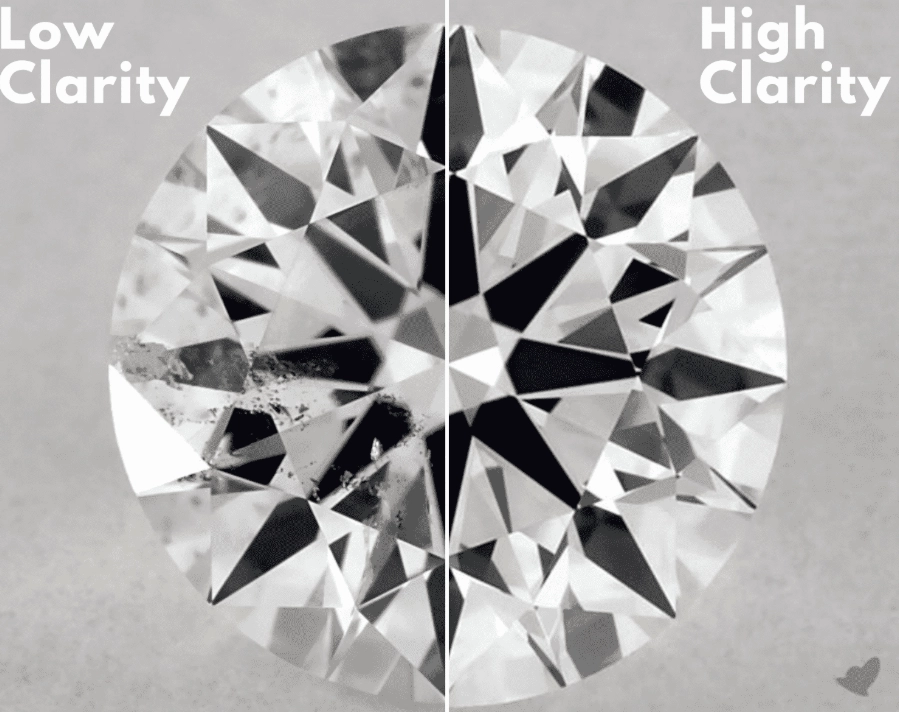
What Are Gemstone Clarity Grades, Really?
Clarity grades describe how many internal flaws (inclusions) and surface flaws (blemishes) a stone has. The fewer the flaws, the higher the grade. Simple, right? But here’s the catch: the most common scale (GIA’s) was built for diamonds. Applying it to colored stones is like using a ruler to measure weight.
For diamonds, the scale runs from Flawless (FL) down to Included (I3). For colored gems, labs like GIA and AGL use similar terms, but the thresholds shift. A “VS” sapphire might have a tiny crystal you can’t see without a loupe. A “VS” diamond, same thing. But sapphires are Type II gems (more on that later), so they naturally have more inclusions. A VS sapphire might be the best you’ll ever find.
How to Judge Gemstone Clarity Like a Pro (Not a Robot)
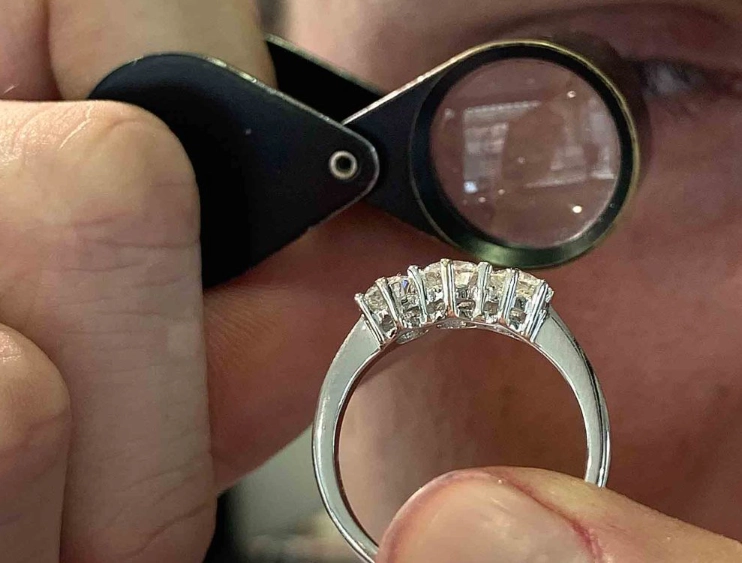
Forget the 10x loupe for a second. Your eyes are the real judge. Clarity grade is measured under 10x magnification, but you’ll be looking at the stone with your naked eye most of the time. So first, ask: is it eye-clean? That means no visible inclusions from about 6 inches away under normal lighting. If it’s eye-clean, the grade matters less for daily wear.
But here’s the non-consensus bit: eye-clean is negotiable. For an engagement ring, yes, you want eye-clean. For a pendant or earrings, a slightly included stone (like SI1) can be a smart money move if the inclusion sits under a prong or near the girdle. I’ve set many SI1 tourmalines that looked flawless once mounted.
Next, tilt the stone. Inclusions near the surface can cause reflections that make the stone look dull. Look for dark spots, feathers that reach the surface, or clouds that block light. Under a loupe, focus on the center of the stone—that’s where inclusions are most visible.
And test under different lights. Jewelry store lights are designed to flatter. Take the stone to a window. Natural daylight exposes everything. I always carry a small flashlight—you’d be surprised how many “VS” stones show a hazy internal cloud under a direct beam.
The Gemstone Clarity Chart That Actually Matters
Charts are helpful, but they don’t tell the whole story. Here’s a practical breakdown of what each grade means in real life, not just theory.
| Grade | What it means (diamonds) | What it means for colored stones (sapphire, ruby, emerald) | Should you buy it? |
|---|---|---|---|
| FL / IF | No inclusions visible under 10x. | Almost nonexistent. Expect a huge premium. | Only if you’re a collector or investor. Overkill for jewelry. |
| VVS1 / VVS2 | Minute inclusions, hard to see under 10x. | Very rare. Usually only in top-tier stones with certificate. | Great for high-end pieces. Verify with a lab report. |
| VS1 / VS2 | Minor inclusions, visible under 10x but not to the eye. | Common for fine sapphires and rubies. Often eye-clean. | Sweet spot for quality and value. Check the center. |
| SI1 / SI2 | Noticeable inclusions under 10x, sometimes eye-visible. | Very common. Eye-clean SI1 is a fantastic find. | Best value if eye-clean. Locate the inclusion first. |
| I1 / I2 / I3 | Obvious inclusions, affect brilliance and durability. | Often heavily included; may be opaque or fragile. | Avoid for fine jewelry unless you love the look. |
Notice the colored stone column? That’s where the chart gets fuzzy. An SI1 emerald might look cleaner than a VS2 sapphire because emeralds are typically more included. That’s the Type system at work.
Type 1, 2, 3 Gems: Why Your Sapphire Can Look Worse Than Your Diamond
GIA classifies colored gems into three types based on how included they usually are. This is the part most buyers miss, and it’s the reason a VS2 sapphire can look worse than an SI1 diamond.
- Type I: Gems that are usually flawless (like aquamarine, topaz). A VS grade here is low—expect eye-clean VVS or better.
- Type II: Gems that typically have some inclusions (sapphire, ruby, garnet). A VS grade is actually quite good. Most fine sapphires are VS or SI.
- Type III: Gems that are almost always included (emerald, tourmaline). An SI1 or even I1 can be eye-clean and totally acceptable. Don’t dismiss a lower grade here.
I learned this the hard way with emeralds. I passed on an SI2 emerald because the grade sounded bad. Later, a jeweler friend showed me the stone—it was eye-clean, with just a tiny jardin near the girdle. I could have saved 40% and had a gorgeous ring. That mistake still stings.
3 Clarity Mistakes I Made So You Don't Have To
Mistake 1: Trusting the grade without seeing the stone. I bought a “VS1” spinel online. When it arrived, the inclusion was a dark crystal right in the center. Eye-visible. The grade was technically accurate—the inclusion was small—but placement killed it. Now I always ask for a video under natural light, not just a certificate.
Mistake 2: Ignoring the cut. A well-cut stone can hide inclusions. A poorly cut one magnifies them. I once rejected an SI1 diamond because the inclusion reflected across the whole table due to a shallow pavilion. The grade was fine; the cut was not.
Mistake 3: Assuming higher clarity means better beauty. A VVS diamond with a dull cut looks worse than an SI1 with perfect proportions. Clarity is one piece. Cut, color, and carat share the stage. I’ve seen I1 diamonds that sparkle like crazy because the cut was superb.
Straight Answers to Awkward Questions
Facts checked against GIA’s clarity grading system and AGL’s colored stone reports. No affiliation—just a jeweler who’s made the mistakes so you don’t have to.
Comments
Leave a Comment