
Here's What I'm Covering
Last spring, I watched a jeweler slide two nearly identical blue sapphires across a velvet tray. One was natural, mined in Sri Lanka. The other was synthetic, grown in a lab in Kyoto. Under the loupe, I honestly couldn't pick them apart at first glance. The price tag? One was $2,400, the other $180. That moment broke something in my brain. So I did what any stubborn buyer would do: I spent months talking to gemologists, visiting trade shows, and yes, getting a few things wrong along the way. This is the no-fluff breakdown of synthetic vs natural gemstones that I wish someone had handed me before I signed any receipt.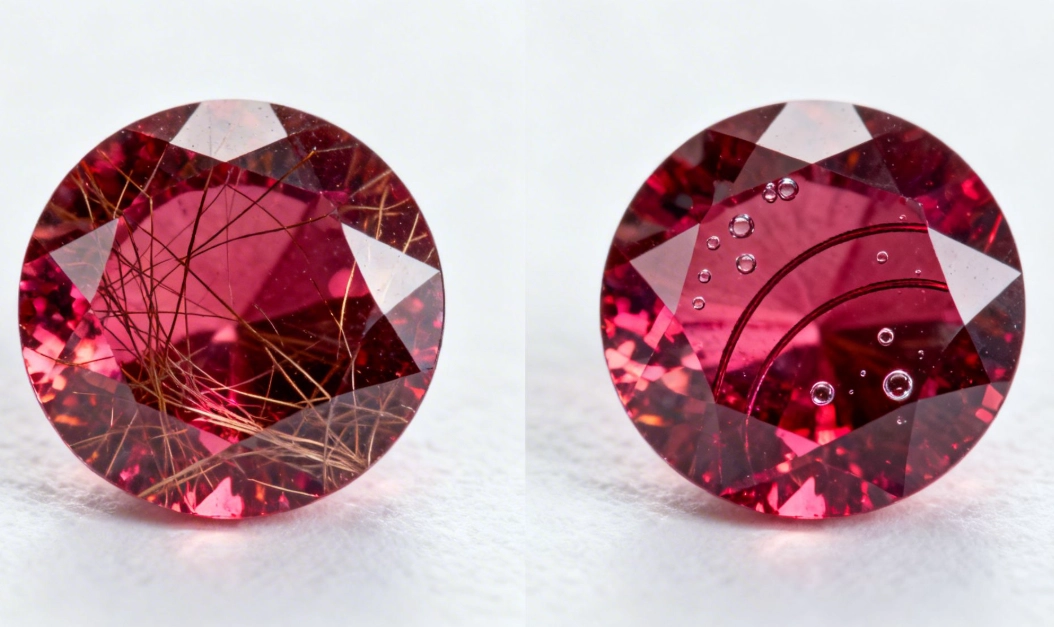
What Defines Synthetic vs Natural Gemstones?
Natural gemstones form deep in the earth over millions of years. Heat, pressure, and mineral-rich water do the work. Synthetic gemstones—often called lab-grown—are made in weeks. Same chemical recipe, same crystal structure, different clock.
Here's where people get tripped up. A synthetic ruby is still a ruby. The FTC actually requires sellers to call it "laboratory-grown." The word "synthetic" scares people, but chemically, it's the real deal. What you're paying for with natural stones is rarity, not superiority of the material itself.
The Three Categories You'll Actually Encounter
- Natural, untreated: Mined from the earth, no heat or fillers. The big money.
- Natural, treated: Heated or fractured-filled to improve clarity. Still natural, but value drops 30–60% depending on the treatment.
- Synthetic / lab-grown: Created in a furnace or reactor. No mining involved. Full transparency if the seller is honest.
How to Tell If a Gemstone Is Real (Without a Lab)
Most guides tell you to breathe on the stone or drop it in water. Those tests are garbage. Here's what actually works, and more importantly, what doesn't.
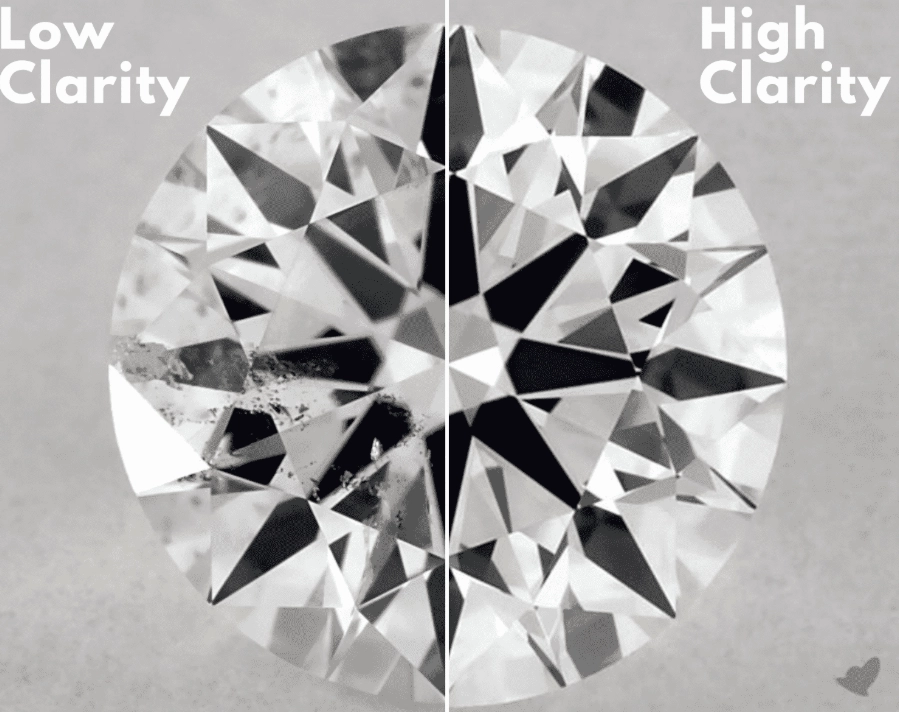
Inclusions are your best friend. Natural stones almost always carry tiny imperfections—silk, feathers, crystal inclusions. Synthetic stones can be too clean. A flawless 3-carat emerald under $300? Either it's synthetic or someone's lying. I've seen both.
Refractive index testing is the reliable home method. A basic refractometer runs about $80 on gemology supply sites. It measures how light bends through the stone. Ruby reads 1.762–1.778. Glass reads 1.50–1.70. You'll know within seconds if you're holding glass.
A word of caution: the "scratch test" is a myth that needs to die. It damages the stone.
The Price Gap: Where Your Money Actually Goes
Let's break down what the same $1,000 buys you in each category.
| Stone Type | Approx. Price per Carat | What $1,000 Gets You | Resale Reality |
|---|---|---|---|
| Natural Blue Sapphire (heated) | $400–$800 | 1.5–2.5 ct commercial grade | 40–60% of retail |
| Natural Ruby (heated, low clarity) | $300–$600 | 1.8–3 ct opaque material | 30–50% of retail |
| Synthetic Sapphire (Flame Fusion) | $3–$15 | 60+ carats, any size you want | Near zero |
| Synthetic Emerald (Hydrothermal) | $20–$80 | 10–12 ct clean stones | 10–20% of retail |
The synthetic prices reflect wholesale, not retail. A jewelry store will mark those up 3–5x. Still, you're paying for the setting and craftsmanship more than the stone itself at that point.
Resale and Hold Value: The Hard Truth
This is where the synthetic vs natural gemstones debate gets uncomfortable.
I bought my wife a natural, unheated pink sapphire from a dealer in Bangkok's Silom district for $1,100. Two years later, a gem broker offered me $650. That's not just depreciation—that's the market telling you jewelry is a terrible investment unless you're dealing in museum-grade pieces.
Lab-grown stones have almost no resale market. Pawn shops won't touch them. Jewelry stores won't buy them back. If you're buying fine jewelry as an "investment," you need to hear this: stop. Buy it because you love it. The only gemstones that retain value are top-tier natural stones with certifications from GIA, SSEF, or Gübelin. Everything else follows the same curve as a used car.
What I Found in Three Showrooms
I visited three jewelry stores in one weekend—a mall chain, a high-end independent, and a gem show vendor. Here's what stood out.
The mall chain sold lab-grown diamonds at roughly 1/3 the price of natural. Their staff pushed the lab-grown hard. When I asked about certification, they pointed to a card that said "IGI Lab-Grown." That's legit. International Gemological Institute does certify lab-grown stones. Fine.
The independent store had a tray of "natural" pink tourmalines labeled without treatment disclosures. I asked if they were heated. The owner hesitated. That half-second told me everything. Be wary of sellers who dodge treatment questions.
The gem show vendor was the most honest. He said, flat out, "Ninety percent of what I sell is synthetic. Buyers want color and sparkle without the premium." His prices matched. A $25 synthetic blue topaz that looked identical to a $200 natural stone. For a pendant for my daughter? I bought the synthetic and slept fine.
Straight Answers to Real Buyer Questions
Should I avoid synthetic gemstones for an engagement ring?
Avoid? No. I've seen lab-grown moissanite rings that outshine 90% of natural diamonds under $1,000. The real question is what you want the ring to represent. Lab-grown stones are chemically identical and durable (moissanite actually resists scratching better than diamond). If your partner cares about resale value or tradition, go natural. If they care about ethical sourcing and size, synthetic wins. Know your person.
Can a jeweler tell if my gemstone is synthetic just by looking?
A trained gemologist often can, but not always. Flame-fusion synthetics usually show curved striae under magnification. Hydrothermal emeralds can have nail-head spicules. But newer methods like chemical vapor deposition (CVD) make detection harder without lab equipment. If a seller says they can tell "just by eye," they're either very experienced or bluffing. Ask for a certificate.
Do synthetic gemstones fade or scratch more easily?
Not typically. Synthetic sapphire and ruby are physically identical to natural ones—same hardness on the Mohs scale (9 for corundum). Synthetic emerald is softer (7.5–8) just like natural emerald, so it can chip if you're rough on it. Fading is rare with synthetic corundum, but some dyed stones (not the same as synthesized) will fade in sunlight. If the price seems too good and the color is neon-bright, ask about dye.
What's the biggest mistake buyers make at the jewelry counter?
Not asking for treatment details in writing on the receipt. I've seen heated sapphires sold as "natural" without disclosure. Always get the seller to write "natural, no evidence of heat treatment" on the receipt if that's what you're paying for. If they won't, you've got your answer. Walk away. A reputable dealer won't blink at that request.
Fact-checked against the GIA's public education materials on lab-grown gemstones and the FTC Jewelry Guides. No stones were harmed in the making of this article.
Comments
Leave a Comment