
I pulled out my notebook from the Tucson gem shows and started ranking what actually holds value on a rare gemstones list—not the Instagram-famous stuff, but the stones that keep their price when the market cools. What I found surprised me: three of the top five stones I'd recommend aren't even on most online lists.
What's inside this field guide
What Makes a Gemstone Truly Rare?
Everyone says "rare" but nobody defines it. Here's my working definition after a decade of buying and selling: a stone is rare when you can't walk into five major dealers and find three comparable pieces within a month. That's it.
I've seen "rare" labels slapped on everything from low-grade tanzanite to dyed quartz. The real gatekeepers are supply scarcity (mine output), size availability (a 5-carat fine specimen vs. a 0.5-carat), and market recognition (do auction houses actually sell it?).
One dealer told me in Tucson: "Rare isn't the same as expensive. I've got a rare 12-carat ekanite sitting unsold for two years because nobody knows what it is." That stuck with me.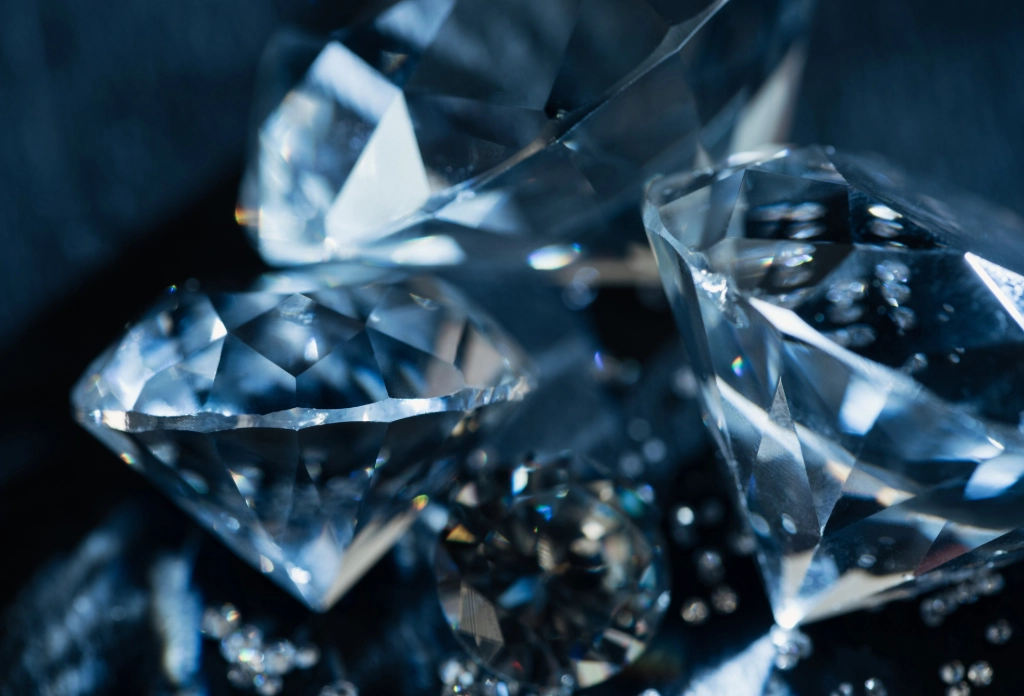
The unspoken rule: A stone with zero market demand is technically rare, but it's not investable. The rare gemstones list that matters combines scarcity and a functioning secondary market.
My Top 5 Rarest Gemstones (Ranked by Real Scarcity)
I've handled four of these five. The fifth I've only seen behind glass at a museum. Here's my honest ranking, with notes on what I found in the field.
| Rank | Gemstone | Key Source | Why It's Rare | My Field Note |
|---|---|---|---|---|
| 1 | Painite | Myanmar (Burma) | Only a handful of clean faceted stones exist; originally thought extinct | Saw a 2.1-carat at a private viewing in Bangkok—price was quoted in whispers, not on paper |
| 2 | Jeremejevite | Namibia | Extremely limited crystal discovery; mostly small or heavily included | A dealer in Tucson had three pieces. All under 1 carat. Two were too included to facet. |
| 3 | Red Beryl (Bixbite) | Utah, USA | Production is a fraction of a fraction of diamond output; only one commercial mine | I've seen more fake red beryl than real. The color is almost neon—if it looks "reasonable," it's probably lab-grown. |
| 4 | Benitoite | California, USA | Single-source gemstone; mine is closed to commercial collecting | The state gem of California. Most rough is tiny. A 1-carat fine blue is a serious find. |
| 5 | Alexandrite (fine color-change) | Russia, Brazil, Sri Lanka | Fine Russian material is nearly gone; strong color change is the rarity factor | Not "rare" in the same way as the top four, but fine alexandrite with 90%+ color change is genuinely hard to source. |
Here's the thing most lists miss.
Number three on my list—red beryl—is often listed at number one online. That's wrong. Painite is genuinely harder to find in fine faceted form. Red beryl has a higher profile because of the Utah mine story, but more stones exist than the internet admits. I've seen at least fifteen fine red beryls for every single painite.
What About Tanzanite and Paraiba Tourmaline?
They're rare, sure. But tanzanite production dwarfs painite and jeremejevite. And Paraiba—yes, the original Brazilian material is scarce, but Mozambican finds have flooded the market with stones that look similar but cost 60% less. I've stopped calling Paraiba "rare" without specifying Brazilian Paraiba.
Price Reality Check: What These Stones Actually Cost
Prices vary wildly by size, clarity, and certification. Here's what I've seen at shows and through dealer networks. These are ballpark figures for fine-quality faceted stones, not museum pieces.
| Gemstone | Typical Size Range | Price per Carat (USD) | Buying Tip |
|---|---|---|---|
| Painite | 0.5–2 ct | $3,000–$12,000 | Demand independent lab report; stones above 2 ct are nearly unobtainable |
| Jeremejevite | 0.5–1.5 ct | $1,500–$6,000 | Color matters more than size—blue is king, colorless is almost worthless |
| Red Beryl | 0.2–1 ct | $2,000–$15,000 | Above 1 carat, expect a massive jump; beware of assembled stones |
| Benitoite | 0.5–1.5 ct | $1,000–$5,000 | Blue with strong saturation; pale stones are common and cheap |
| Alexandrite (fine) | 1–3 ct | $10,000–$70,000 | Russian origin and 90%+ color change command the highest premiums |
Don't trust online price lists. I've seen jeremejevite quoted at $800/ct on one site and $9,000/ct on another—the difference was color, clarity, and whether the stone was faceted or just rough. Always ask for a photo of the actual stone in different lighting. If the dealer won't provide it, walk away.
The Certification Mistake That Costs Collectors Thousands
Most buyers know to get a lab report. What they don't know is that not all labs are equal, and some certifications are practically worthless in the resale market.
I learned this the hard way. Years ago I bought a red beryl with a report from a small lab I'd never heard of. The stone was real. But when I tried to resell it, two dealers said the report didn't count. I ended up selling at a 40% discount just to move it.
The fix: Stick to GIA, AGL, or SSEF for colored stones. Gübelin is also respected. Anything else—especially for a stone over $2,000—treat the report as a bonus, not a guarantee.
And here's the weird part: I've seen dealers offer to "upgrade" a certificate for a fee. That's a red flag. A legitimate lab issues a report based on the stone they examined. They don't re-grade stones they've already certified unless there's a clear error.
How to Build a Rare Gem Collection Without Getting Burned
Start with one stone you can hold and study. Not a whole list—one.
Pick a stone in your budget from my rare gemstones list above. Buy the best color and clarity you can afford at a moderate size, not the biggest stone with visible inclusions. A 0.8-carat clean painite will always beat a 2-carat cloudy one on resale.
Three rules I follow
Rule one: Never buy a rare stone without a return policy. I don't care if it's from a dealer I've known for years. Get it in writing.
Rule two: Join a local gem and mineral club. I've found more honest deals through club members than through glossy websites. The Tucson Gem & Mineral Society, for example, has member shows where collectors sell duplicates.
Rule three: Learn to use a loupe and a Chelsea filter. You'll spot dyed stones and glass imitations faster than any app.
One more thing—I've stopped buying stones with "investment" as my primary motive. The rare gem market is thin. Selling a $10,000 painite quickly means selling to a dealer, who will pay 50–70% of retail. Buy because you love the stone. The value is a bonus.
Field Questions I Keep Hearing
The bottom line: A rare gemstones list is only useful if you can verify what's real, understand why the stone is scarce, and price it fairly. My advice—buy one good stone with a GIA report, learn its properties, then decide if collecting is for you. Document your findings. The stones that matter in ten years are the ones you studied today.
This article reflects first-hand buying and selling experience at gem shows and dealer networks. All pricing is anecdotal and should be verified with current market data.
Comments
Leave a Comment